

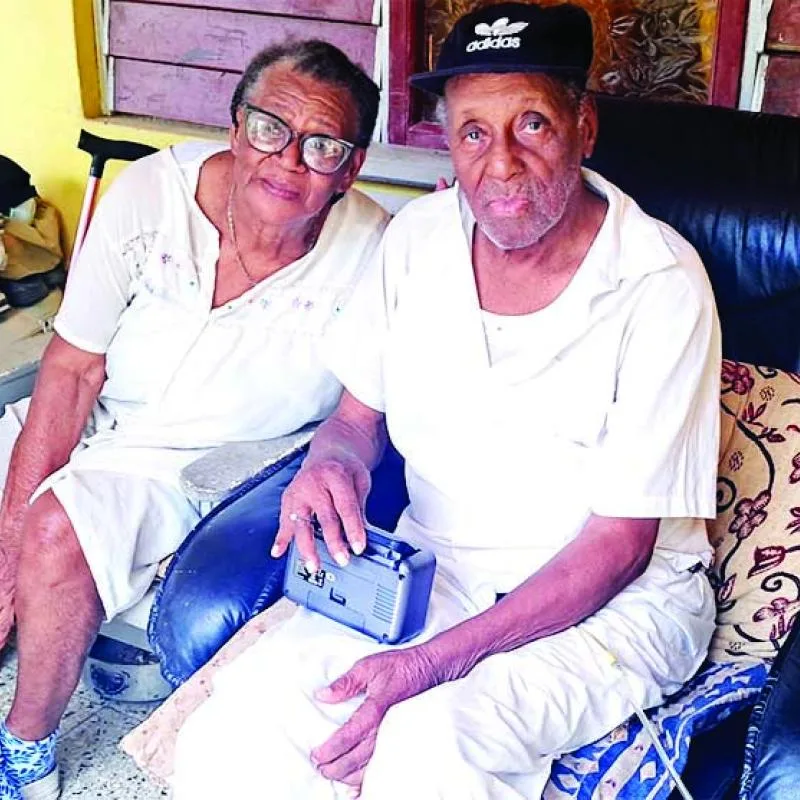
Before the winds of Hurricane Melissa tore through their world, Mervin and Avis Jones were the masters of their quiet domain in Providence, St. Elizabeth. They had a roof that didn't leak, a livelihood that kept food on the table, and a social circle of neighbors who knew their names. Today, those memories feel like stories from someone else’s life. They now spend their time in a cramped guest room at their daughter’s place in Avon Park, St.
Catherine, waiting for a future that refuses to show up.
Seven months have passed since the couple has existed in the wake of the storm that reduced their independence to a single weathered couch and a radio that crackles with static. They don't have the luxury of planning for tomorrow because today is still a fight for survival. Every day, they tune the radio, hoping to hear news that their community is back on its feet, but the world seems to have moved on to newer headlines.
Mervin Jones shared, "We didn't just lose walls and a roof; we lost the only life we knew how to live," as he clutched the dial of his fading radio.
Their situation is a harsh reminder of what happens when the cameras pack up and the relief workers head home. While government agencies often boast about recovery milestones and the total number of houses rebuilt, the Mervin and Avis Joneses of the world remain statistics in a pile of paperwork. Without a steady flow of cash, they have no income stream left, as their livelihood was tied to the land in St. Elizabeth that was decimated by the storm’s surge. Even basic necessities like medication or proper nutrition become obstacles that seem insurmountable.
The Joneses have no income stream left since their livelihood was tied to the land in St. Elizabeth that was decimated by the storm’s surge. Without a steady flow of cash, even basic necessities like medication or proper nutrition become obstacles that seem insurmountable.
The reality of long-term displacement is
a harsh reality
When a major hurricane hits, the focus usually falls on immediate search and rescue or the clearing of main roads. However, the tragedy of displacement lingers long after the sun comes out. For elderly survivors, the mental toll is often heavier than the physical loss of property. They aren't just losing chairs or appliances; they are losing the environment that kept them mentally sharp and physically active. Being uprooted to Avon Park has severed their ties to the community support systems that usually keep retired couples from slipping into depression.
Being uprooted to Avon Park has severed their ties to the community support systems that usually keep retired couples from slipping into depression. These support systems often operate on a communal trust system, where neighbors check on the elderly daily.
Many rural parishes in Jamaica, like St. Elizabeth, operate on a communal trust system where neighbors check on the elderly daily. Once that web is broken by a natural disaster, the government's recovery plan rarely accounts for the loss of that social fabric. These people aren't just waiting for a house; they are waiting to be part of a community again. Until the authorities realize that disaster relief must include long-term social integration for the elderly, folks like Mervin and Avis will continue to gather dust in the corners of their children's homes.
Local charities have pointed out that the cost of rebuilding rural infrastructure often eats up the entirety of available relief funds, leaving zero budget for direct cash assistance to the families who lost their primary income. The Joneses are currently relying on the kindness of their daughter, who has her own household expenses to manage. This creates a ripple effect where one storm pushes two generations into a cycle of poverty. The lack of a formalized state social security buffer for such catastrophic events means that recovery is often left to chance or charity.