

Nigeria is home to a significant portion of the world's sickle cell disease cases, and the country is struggling to combat the genetic disorder. According to experts, one of the main challenges is the lack of awareness about genotype risks beyond the common AA and AS types. Most people are aware of the importance of knowing their genotype, but few understand the complexities of the disease. This lack of understanding is worsened by the fact that most messaging around sickle cell disease focuses on the basics of genotype, without addressing the complex social, emotional, and economic realities that influence decisions.
The situation is further complicated by the fact that Nigeria has a large and diverse population, with many different ethnic and linguistic groups. This diversity can make it difficult to develop effective messaging and outreach programs, as different groups may have different levels of awareness and understanding about sickle cell disease. Additionally, the country's healthcare system is often underfunded and understaffed, which can make it difficult for people to access the care and treatment they need. Despite these challenges, experts say that it's essential to address the hidden genotype risks beyond AA and AS, in order to effectively combat the disease.
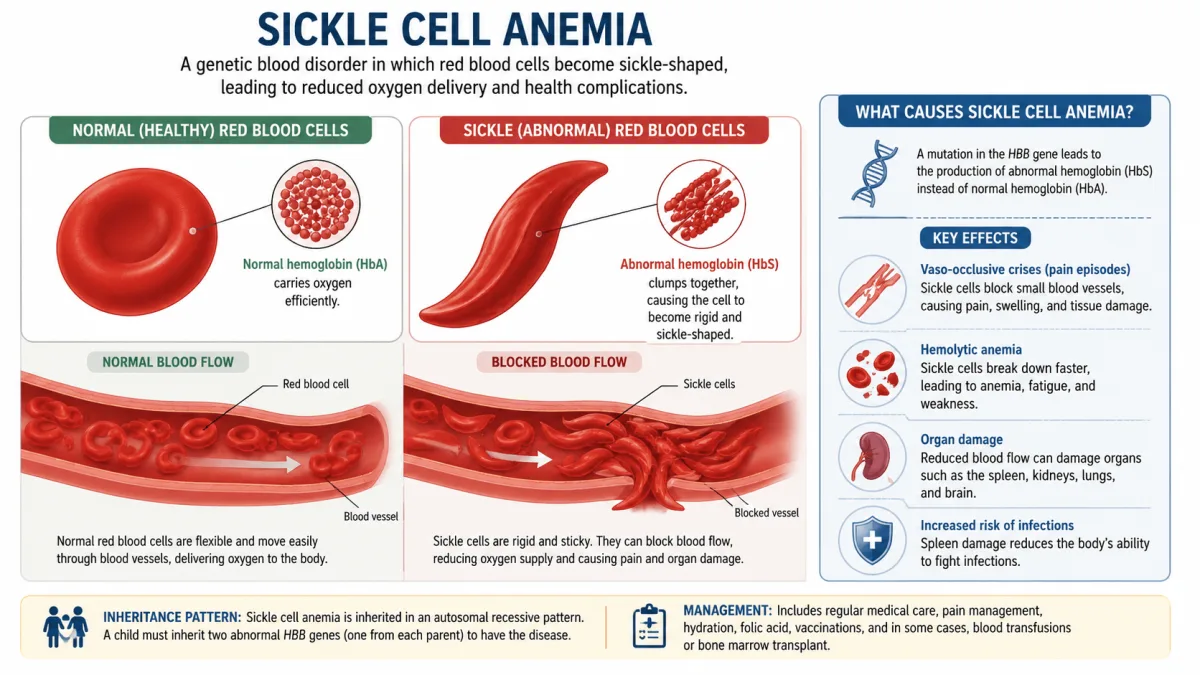
Sickle cell disease is a genetic disorder that affects the production of hemoglobin, a protein in red blood cells that carries oxygen to different parts of the body. The disease is caused by a mutation in the HBB gene, which codes for the beta-globin subunit of hemoglobin. When this mutation occurs, it can lead to the production of abnormal hemoglobin, which can cause red blood cells to become misshapen and break down. This can lead to a range of health problems, including anemia, infections, and organ damage. In Nigeria, the disease is particularly prevalent, due to the high frequency of the sickle cell trait in the population.
The impact of sickle cell disease on individuals and families can be devastating. People with the disease often experience chronic pain, fatigue, and other symptoms, which can make it difficult to work or attend school. Additionally, the disease can lead to significant medical expenses, which can be a burden for families who are already struggling financially. In order to effectively combat the disease, experts say that it's essential to address the social and economic realities that influence decisions about healthcare. This includes providing access to affordable healthcare, as well as education and outreach programs to raise awareness about the disease.
Key Facts
- Sickle cell disease is a genetic disorder that affects the production of hemoglobin.
- The disease is caused by a mutation in the HBB gene, which codes for the beta-globin subunit of hemoglobin.
- Nigeria has a high frequency of the sickle cell trait in the population.
- The disease is particularly prevalent in Nigeria, due to the high frequency of the sickle cell trait.
- Most messaging around sickle cell disease focuses on the basics of genotype, without addressing the complex social and economic realities.
- The disease can lead to a range of health problems, including anemia, infections, and organ damage.
- People with the disease often experience chronic pain, fatigue, and other symptoms.
- The disease can lead to significant medical expenses, which can be a burden for families who are already struggling financially.
History of Sickle Cell Disease
Sickle cell disease has been present in Nigeria for centuries, and it's believed to have originated in the region over 7,000 years ago. The disease was first described in the medical literature in the early 20th century, and since then, there has been a significant amount of research into its causes and effects. Despite this research, however, the disease remains a major public health problem in Nigeria, and it's estimated that over 150,000 children are born with the disease each year. In order to effectively combat the disease, experts say that it's essential to address the social and economic realities that influence decisions about healthcare.
The history of sickle cell disease in Nigeria is complex and multifaceted, and it's influenced by a range of factors, including genetics, culture, and economics. The disease is particularly prevalent in certain ethnic groups, such as the Yoruba and Igbo, and it's believed that this is due to the high frequency of the sickle cell trait in these populations. Additionally, the disease is often stigmatized, which can make it difficult for people to seek medical care or disclose their status to others. In order to address these challenges, experts say that it's essential to develop effective messaging and outreach programs that take into account the social and cultural context of the disease.
The impact of sickle cell disease on Nigerian society is significant, and it's estimated that the disease costs the country billions of dollars each year in medical expenses and lost productivity. Additionally, the disease can have a profound impact on individuals and families, causing chronic pain, fatigue, and other symptoms. In order to effectively combat the disease, experts say that it's essential to address the social and economic realities that influence decisions about healthcare, including providing access to affordable healthcare and education and outreach programs to raise awareness about the disease.
Impact on Healthcare System
The impact of sickle cell disease on Nigeria's healthcare system is significant, and it's estimated that the disease accounts for a substantial proportion of hospital admissions and medical expenses. The disease is often treated with pain management medications, blood transfusions, and other interventions, which can be expensive and resource-intensive. Additionally, the disease can lead to a range of complications, including infections, organ damage, and stroke, which can require lengthy hospital stays and costly medical interventions. In order to effectively combat the disease, experts say that it's essential to develop effective messaging and outreach programs that take into account the social and cultural context of the disease.
The Nigerian healthcare system is often underfunded and understaffed, which can make it difficult for people to access the care and treatment they need. Additionally, the system is often fragmented, with different levels of care and different specialties, which can make it difficult to coordinate care and ensure that people receive the treatment they need. In order to address these challenges, experts say that it's essential to develop effective messaging and outreach programs that take into account the social and cultural context of the disease, as well as to provide access to affordable healthcare and education and outreach programs to raise awareness about the disease.
The role of healthcare providers in addressing sickle cell disease is critical, and experts say that it's essential to provide training and education to healthcare providers on the disease and its treatment. This includes providing information on the latest medical research and treatment options, as well as on the social and cultural context of the disease. Additionally, healthcare providers can play a key role in raising awareness about the disease and promoting education and outreach programs to reduce stigma and promote early diagnosis and treatment.
Social and Economic Realities
The social and economic realities that influence decisions about healthcare are complex and multifaceted, and they're influenced by a range of factors, including culture, education, and economics. In Nigeria, for example, the disease is often stigmatized, which can make it difficult for people to seek medical care or disclose their status to others. Additionally, the cost of medical care can be prohibitive, which can make it difficult for people to access the care and treatment they need. In order to address these challenges, experts say that it's essential to develop effective messaging and outreach programs that take into account the social and cultural context of the disease.
The impact of sickle cell disease on families and communities is significant, and it's estimated that the disease can lead to significant economic burdens, including lost productivity and medical expenses. Additionally, the disease can lead to social isolation and stigma, which can make it difficult for people to seek medical care or disclose their status to others. In order to address these challenges, experts say that it's essential to develop effective messaging and outreach programs that take into account the social and cultural context of the disease, as well as to provide access to affordable healthcare and education and outreach programs to raise awareness about the disease.
The social and economic realities that influence decisions about healthcare are complex and multifaceted, and they're influenced by a range of factors, including culture, education, and economics. According to an expert, "the key to addressing sickle cell disease is to develop effective messaging and outreach programs that take into account the social and cultural context of the disease, as well as to provide access to affordable healthcare and education and outreach programs to raise awareness about the disease."
Future Directions
The future of sickle cell disease in Nigeria is uncertain, but experts say that it's essential to develop effective messaging and outreach programs that take into account the social and cultural context of the disease. This includes providing access to affordable healthcare, as well as education and outreach programs to raise awareness about the disease. Additionally, experts say that it's essential to address the social and economic realities that influence decisions about healthcare, including providing access to affordable healthcare and education and outreach programs to raise awareness about the disease.
The role of government and non-governmental organizations in addressing sickle cell disease is critical, and experts say that it's essential to develop effective partnerships and collaborations to address the disease. This includes providing funding and resources for education and outreach programs, as well as for medical care and treatment. Additionally, experts say that it's essential to develop effective policies and regulations to address the disease, including policies to reduce stigma and promote early diagnosis and treatment.
The impact of sickle cell disease on Nigerian society is significant, and it's estimated that the disease costs the country billions of dollars each year in medical expenses and lost productivity. In order to effectively combat the disease, experts say that it's essential to address the social and economic realities that influence decisions about healthcare, including providing access to affordable healthcare and education and outreach programs to raise awareness about the disease. By working together, experts say that it's possible to reduce the burden of sickle cell disease in Nigeria and promote a healthier and more prosperous future for all Nigerians.
Conclusion
Sickle cell disease is a significant public health problem in Nigeria, and it's essential to address the social and economic realities that influence decisions about healthcare. The disease is complex and multifaceted, and it's influenced by a range of factors, including genetics, culture, and economics. In order to effectively combat the disease, experts say that it's essential to develop effective messaging and outreach programs that take into account the social and cultural context of the disease, as well as to provide access to affordable healthcare and education and outreach programs to raise awareness about the disease. By working together, experts say that it's possible to reduce the burden of sickle cell disease in Nigeria and promote a healthier and more prosperous future for all Nigerians.
Final Thoughts
The future of sickle cell disease in Nigeria is uncertain, but experts say that it's essential to remain hopeful and committed to addressing the disease. The disease is complex and multifaceted, and it's influenced by a range of factors, including genetics, culture, and economics. In order to effectively combat the disease, experts say that it's essential to develop effective messaging and outreach programs that take into account the social and cultural context of the disease, as well as to provide access to affordable healthcare and education and outreach programs to raise awareness about the disease. By working together, experts say that it's possible to reduce the burden of sickle cell disease in Nigeria and promote a healthier and more prosperous future for all Nigerians.
The impact of sickle cell disease on Nigerian society is significant, and it's estimated that the disease costs the country billions of dollars each year in medical expenses and lost productivity. In order to effectively combat the disease, experts say that it's essential to address the social and economic realities that influence decisions about healthcare, including providing access to affordable healthcare and education and outreach programs to raise awareness about the disease. Additionally, experts say that it's essential to develop effective policies and regulations to address the disease, including policies to reduce stigma and promote early diagnosis and treatment.
The role of individuals and communities in addressing sickle cell disease is critical, and experts say that it's essential to develop effective partnerships and collaborations to address the disease. This includes providing funding and resources for education and outreach programs, as well as for medical care and treatment. Additionally, experts say that it's essential to develop effective messaging and outreach programs that take into account the social and cultural context of the disease, as well as to provide access to affordable healthcare and education and outreach programs to raise awareness about the disease.