

The missing numbers in
the chamber
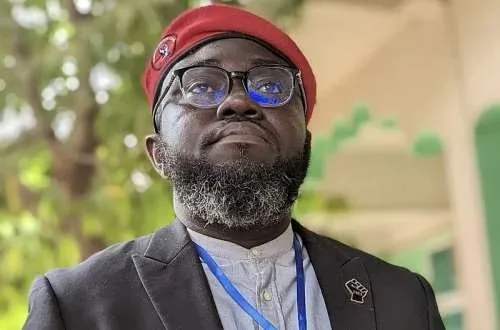
Parliamentary procedure operates on a strict set of rules, with hitting the right numbers being the heartbeat of lawmaking. Private legal practitioner and activist Osagyefo Oliver Barker-Vormawor has thrown a massive spanner in the works of Ghana's recently passed Anti-LGBTQ+ bill by alleging that the chamber was essentially empty, save for 34 Members of Parliament, when the controversial legislation crossed the finish line. This falls miles short of the constitutionally required quorum needed to make any vote binding.
Turns out the Anti-LGBTQ bill was passed without a quorum. Only 34 MPs? Hmmm. Over to the President. A cease-and-desist letter is likely incoming.
This isn't just about the bill itself; it's about preserving the sanctity of the parliamentary process. Osagyefo Oliver Barker-Vormawor has spent years building a reputation as a fierce critic of state overreach, often testing the boundaries of the law to hold those in power accountable. He's previously challenged the state over the #FixTheCountry movement, making him a household name for anyone tracking civil rights in Accra. Now, he's pointing his finger directly at the presidency, hinting that a legal formal notice to stop the bill's implementation is already in the pipeline.
Protecting the professionals
While the bill aims to criminalize LGBTQ+ activities and related advocacy, it underwent a dramatic facelift at the committee stage. Pressure from civil society groups and professional bodies forced lawmakers to insert specific exemptions. Lawyers representing clients, journalists filing reports, and medical staff providing care are now shielded from the law's reach. These changes were a direct response to the massive pushback from those who feared the original text would turn basic human empathy and professional duty into a criminal offense.
However, these revisions have left a bitter taste in the mouths of the Minority Caucus. They argue that if the bill needed such massive patches, it was fundamentally rotten from the start. The opposition believes that the fact that these exemptions were added at the last minute shows a lack of foresight and legal precision in the original draft. They are questioning how a law meant to guide the nation can be so inconsistent that it requires special 'passports' for doctors and lawyers just to do their day jobs.
The path forward for
the presidency
With the bill now sitting on the desk of the President, the focus has shifted from the floor of the house to the Jubilee House. The constitution requires that Parliament maintain a specific number of members during voting to ensure that decisions represent the will of the people, rather than a tiny fraction of the house. The President risks signing his name to a document that the courts might later declare void on arrival if he signs a bill that was effectively passed in a ghost town of a chamber.
The technical arguments raised by Osagyefo Oliver Barker-Vormawor regarding enforceability aren't just empty noise. If the legal process was bypassed, the entire document could be scrapped by a Supreme Court ruling. This leaves the government in a tricky spot, balancing political promises made to constituents against the risk of a high-profile judicial embarrassment. The debate is no longer just about morality; it’s about the very mechanics of how laws are born in the Fourth Republic.