

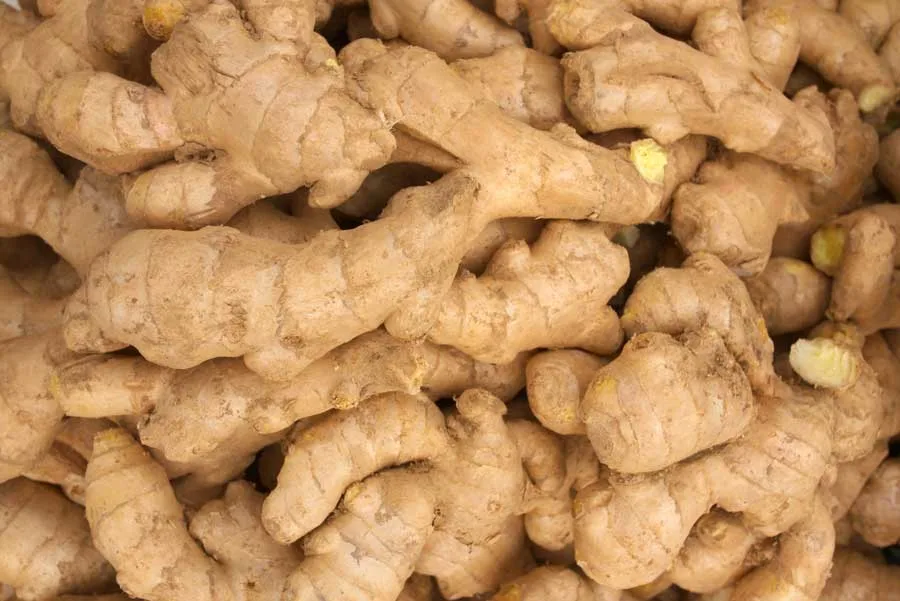
Ginger prices are expected to remain high for the next two years, according to Georgina Koomson, founder of Ideal Providence Farms. Speaking on The Super Morning Show, Ms. Koomson explained that prolonged disease outbreaks have severely affected ginger production levels, leading to a decline in supply.
'The ginger producers had a lot of diseases. So it affected the production,' she said on the show.
The decline in supply comes at a time when demand for ginger continues to rise, particularly from companies in the herbal beverage industry that rely heavily on the crop as a key ingredient. 'We also have a lot of ginger companies doing herbal drinks using ginger. So there is demand as well. The demand has gone up,' Ms. Koomson noted.
The combination of shrinking production and growing demand has pushed ginger prices upward, a situation Ms. Koomson believes is unlikely to improve in the immediate future. 'So ginger has become very expensive. It will be expensive for the next two years,' she stated, adding that consumers should prepare themselves for higher market prices.
To address the challenge, Ms. Koomson called for increased investment in agricultural research to help farmers develop and adopt disease-resistant ginger varieties. 'That’s where the researchers come into it. We need to do a lot of research and then also help the farmers to improve their varieties that they are going to be disease resistant,' she explained.
The agribusiness entrepreneur stressed that collaboration between researchers, extension officers, and farmers will be crucial in strengthening the resilience of Ghana’s ginger industry and ensuring sustainable production in the years ahead.
Ms. Koomson has been involved in the ginger industry for several years and has been a vocal advocate for sustainable agricultural practices. She has spoken extensively on the need for increased investment in research and development to improve crop yields and reduce disease outbreaks.
The ginger industry is a significant contributor to Ghana's economy, with the crop being one of the top traded commodities in the country. The high demand for ginger and the expected sustained price increases are likely to have a ripple effect on the local economy, affecting consumers and businesses alike.
In the short term, consumers can expect to pay higher prices for ginger and ginger-based products, while the industry is forced to adapt to the new market realities. In the long term, increased investment in research and development could lead to the development of disease-resistant varieties, reducing the risk of disease outbreaks and ensuring a more sustainable future for the industry.
Ms. Koomson's warning is a stark reminder of the challenges facing the ginger industry and the need for urgent action to address the issue. The industry's resilience and adaptability will be put to the test as it navigates the complex and changing market conditions.
Key Facts
- Ginger prices are expected to remain high for the next two years.
- Disease outbreaks have severely affected ginger production levels.
- Demand for ginger continues to rise, particularly from companies in the herbal beverage industry.
- Ms. Koomson called for increased investment in agricultural research to develop disease-resistant ginger varieties.
- Collaboration between researchers, extension officers, and farmers is crucial in strengthening the resilience of the ginger industry.