

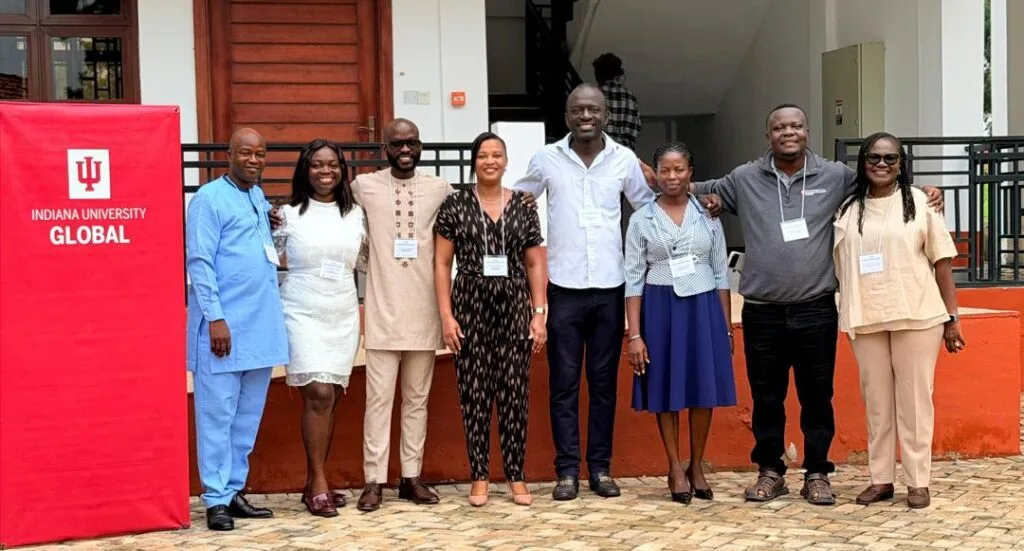
At the 2026 Climate Health and Education Conference held at the Department of Earth Sciences at the University of Ghana, leading academics and education experts called for stronger integration of climate education into the national curriculum. The conference, jointly organised by the University of Ghana, the University of Education, Winneba (UEW), and KNUST in partnership with Indiana University, brought together researchers, policymakers, and teachers to advance efforts aimed at strengthening Ghana's climate action through education, research, and collaboration. It's a collaborative effort that won't be easy, but it's essential for Ghana's future.
Assistant Professor of Earth and Environmental Sciences at Indiana University Indianapolis, Samuel Nyarko, raised concerns over persistent misconceptions about climate change among educators and students. He said studies conducted over the past five years showed that although many teachers have a good understanding of climate issues, significant gaps and misconceptions still remain. For example, a lot of teachers attribute climate change to ozone depletion and think of climate change as the main cause of cataracts and other diseases that aren't really related to climate change. They don't understand the real causes of climate change, and that's a problem.
According to Nyarko, the findings informed the development of a new curriculum designed to improve climate literacy among teachers. However, he also expressed concern about government investment in climate education, arguing that teacher training has been largely overlooked. The government hasn't invested enough in teacher training, and that's a concern. He urged stronger action, including curriculum reforms at the basic education level. The government has spent $12 billion on climate mitigation in Ghana, but not even a dollar has been put into training teachers to effectively teach climate change.
That's a significant gap in their spending.
We came together and thought of developing a curriculum to help teachers understand these concepts and also teach them effectively in their classrooms, said Nyarko. He added that the government should try bringing earth sciences, environmental science education into the basic curriculum. It's a crucial step towards creating a more climate-literate population.
Program Manager of Indiana University Ghana Gateway, Dr. Abigail Mecry Opong Tetteh, highlighted the importance of bridging global expertise with local realities through teacher-focused training. She explained that the programme is designed to empower educators across the country, not just in Accra, but in all regions. The workshop was intentionally designed around the Ghanaian context, with facilitators drawn locally to ensure relevance. They're trying to make sure the training is relevant to Ghanaian teachers and students.
Dr. Opong Tetteh noted that the impact would extend beyond the 61 participating teachers, who were selected from across the country. They will go out there and also impact their communities, she said, describing the initiative as a ripple effect aimed at improving climate education nationwide. This approach is crucial in addressing the specific needs of Ghanaian students and teachers, and it's a step in the right direction towards creating a more climate-literate population. It's essential for Ghana's future, and they can't afford to wait.
Senior Lecturer at the University of Energy and Natural Resources, Dr. Benjamin Darko Asamoah, stressed the urgency of climate education in addressing human-driven climate change. Looking at the major cause of climate change, which is anthropogenic activities, it's very important that we receive some bit of training and education so that we as educators can go back to the classroom to impact our students, he said. The conference underscored growing concerns about climate impacts such as flooding and heat stress already being felt across Ghana. They're feeling the effects of climate change, and they need to act fast.
Key Facts
- The 2026 Climate Health and Education Conference was held at the University of Ghana
- The conference was jointly organised by the University of Ghana, UEW, KNUST, and Indiana University
- 61 teachers from across the country participated in the workshop
- The government has spent $12 billion on climate mitigation in Ghana
- The new curriculum aims to improve climate literacy among teachers and students
The integration of climate education into basic schools is a critical step towards addressing the climate crisis in Ghana. As the country continues to experience the impacts of climate change, it's essential that educators and students are equipped with the knowledge and skills to mitigate and adapt to these changes. The push for climate education isn't just a noble effort, but a necessary one, and it's crucial that the government and other stakeholders support this initiative. They can't ignore the importance of climate education.
In the context of Ghana's climate response strategy, the integration of climate education into basic schools is a key component. It's essential that the government and other stakeholders prioritize climate education and provide the necessary resources and support to ensure its successful implementation. By doing so, Ghana can take a significant step towards creating a more climate-resilient future for its citizens. They won't be able to achieve this goal without climate education.
The success of the conference and the push for climate education is a testament to the power of collaboration and partnership. The partnership between the University of Ghana, UEW, KNUST, and Indiana University is a great example of how institutions can come together to address a critical issue like climate change. As Ghana continues to navigate the challenges of climate change, it's essential that such partnerships are fostered and supported. They're crucial for Ghana's future, and they won't be successful without them.
The call for climate education in basic schools is a critical one, and it's essential that stakeholders take immediate action to support this initiative. By prioritizing climate education, Ghana can take a significant step towards creating a more climate-literate population and addressing the climate crisis. The government and other stakeholders must take action now, as they can't afford to wait. The future of Ghana depends on it, and they won't be able to ignore the importance of climate education.