

Ghana could finally start mining its own iron ore by 2027 — and that's not a distant dream, it's a target the government body in charge says it's confident of hitting.
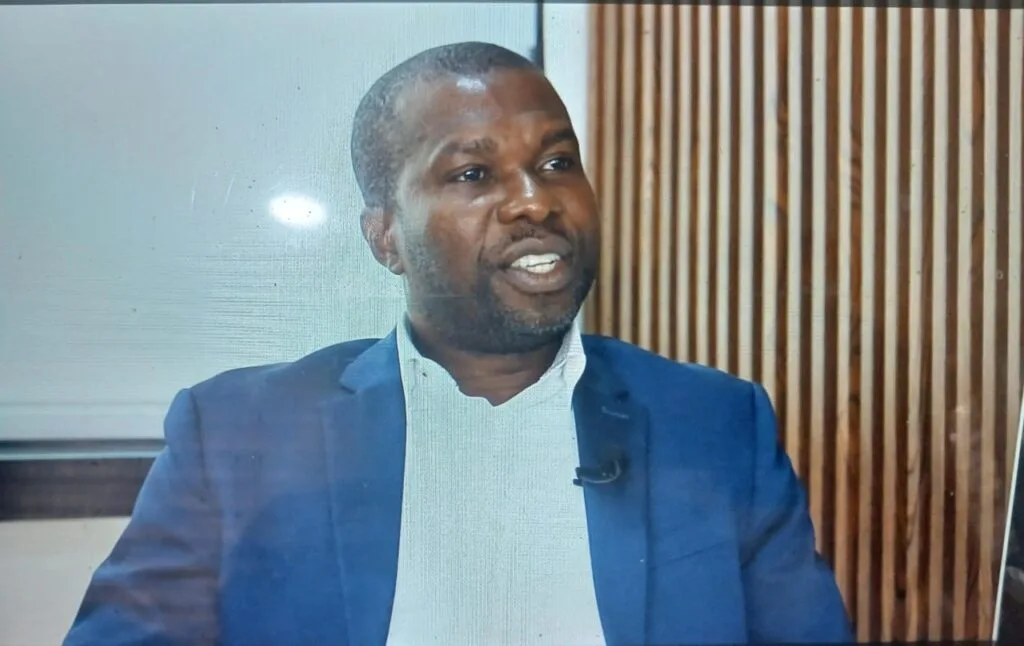
The Chief Executive Officer of the Ghana Integrated Iron and Steel Development Corporation (GIISDEC), William Okofo Dartey, revealed on Monday that the corporation has made significant progress in talks with potential investors. He said the investors have already submitted details of how much they want to put into the project.
“The investors have come to our office and explained to us the amount they want to invest. We've started acquiring land, so I'm very sure that by 2027 we should be setting up a mine, which will lead to the setting up of a processing plant,” Dartey stated.
The land acquisition is a critical step. Without land, there's no mine, and without a mine, there's no processing plant. Dartey emphasised that the processes are moving steadily.
We've started acquiring land, and the processes are moving steadily. By 2027, we should be setting up a mine, which will subsequently lead to the establishment of a processing plant.
This project is part of a broader push by GIISDEC to attract strategic partners to develop Ghana's iron ore resources. The goal is to reduce the country's heavy dependence on imported steel products — a costly habit that drains foreign exchange and keeps local industries reliant on foreign raw materials.
Industry observers say a domestic iron ore mine and processing plant could be a game-changer for Ghana's industrialisation. It would provide raw materials for local manufacturers, create jobs along the mining and processing value chain, and boost value addition in the mineral sector — something successive governments have promised but struggled to deliver.
Ghana has known iron ore deposits in the Oti Region and other areas, but large-scale commercial mining has never taken off. Previous attempts stalled due to lack of investment, infrastructure gaps, and policy inconsistency. GIISDEC was established in 2020 under the Ministry of Trade and Industry to change that narrative.
The corporation is tasked with overseeing the entire iron and steel value chain — from exploration and mining to processing and marketing. It's also meant to coordinate with private investors and ensure that Ghana moves beyond exporting raw ore to producing finished steel locally.
If the 2027 timeline holds, it would mark the first time Ghana operates a commercial iron ore mine. The processing plant would then turn the ore into steel products, reducing the need to import steel for construction, manufacturing, and infrastructure projects.
Dartey didn't disclose the names of the investors or the exact amount they plan to invest. But he said the details have been shared with GIISDEC and discussions are ongoing.
The next year will be crucial. Land acquisition, environmental permits, community engagement, and finalising investment agreements are all steps that must fall into place before any shovel hits the ground.
For now, the corporation is asking Ghanaians to be patient. The steel industry is capital-intensive, and building a mine and processing plant from scratch takes time. But Dartey is betting that by this time next year, the first signs of progress will be visible.