

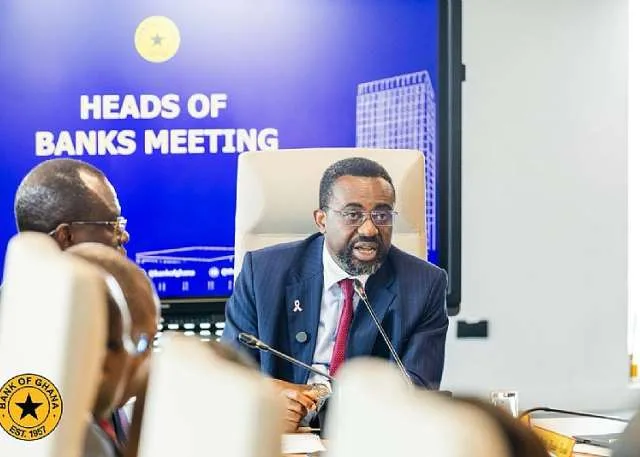
Ghana Holds Monitory Policy Rate at 14% Despite
Inflation Concerns
The Bank of Ghana's Monetary Policy Committee has decided to hold the policy rate at 14% for the next review period, citing concerns about the potential impact of inflation on the country's economy. The committee met from May 18 to 20, 2026, to review developments in the economy over the past two months. This decision is a clear indication of the committee's cautious approach to managing the economy.
All six members of the MPC voted in favor of keeping the policy rate unchanged, with many experts regarding this move as a sign that the committee is taking a cautious approach to managing the economy. The MPC members raised concerns about the impact of developments in the Middle East on Ghana's inflation outlook, which could potentially push inflation above the 10% mark by the end of the year.
The MPC's decision to hold the policy rate is seen as a sign that the committee is taking a cautious approach to managing the economy. While the committee is concerned about the potential impact of inflation, it is also aware of the strong position of the Ghanaian economy, which has been growing steadily in recent years.
### The Bank of Ghana's Monetary Policy Committee
The Monetary Policy Committee (MPC) of the Bank of Ghana is made up of seven members, including the Governor of the Bank of Ghana, Dr. Johnson Asiama. However, during MPC meetings, the Governor typically does not cast a vote until there is a tie. The other members of the MPC include the First Deputy Governor, the Second Deputy Governor, and four external members who have expertise in economics, finance, and banking.
The external members provide guidance on monetary policy decisions, and the committee meets regularly to review the economy and make recommendations on interest rates and other monetary policy tools. The members are chosen for their ability to provide valuable insights and contribute to the decision-making process.
### Inflation Risks in Ghana
Ghana has been experiencing high levels of inflation in recent years, with a surge in oil prices and a decline in the value of the cedi contributing to this issue. Additionally, the MPC is concerned that developments in the Middle East could further exacerbate inflationary pressures, particularly if there are disruptions to global oil supplies. The MPC has been monitoring the situation closely and has taken steps to mitigate the risks.
The committee has also been working to strengthen the Ghanaian economy and reduce its reliance on oil exports. This is a crucial step in achieving sustainable economic growth and reducing the country's vulnerability to external shocks.
### Next Steps
The MPC will continue to monitor the economy and make adjustments to monetary policy as necessary. The committee will also work closely with the government to implement policies that support economic growth and reduce inflation. The Bank of Ghana has stated that it will prioritize price stability and take all necessary steps to ensure that inflation remains under control.
### Key Facts
- The Monetary Policy Committee voted to keep the policy rate at 14% for the next review period.
- All six members of the MPC voted in favor of the decision, with many experts viewing this as a sign of the committee's commitment to maintaining price stability.
- The MPC raised concerns about the impact of developments in the Middle East on Ghana's inflation outlook.
- The committee is concerned that inflation could push above the 10% mark by the end of the year.
- The MPC will continue to monitor the economy and make adjustments to monetary policy as necessary.
### Ghana's Economic Outlook
Ghana's economy has been growing steadily in recent years, driven by factors such as a surge in oil exports and a decline in poverty rates. However, the country still faces challenges, including high levels of inflation and a high budget deficit. The MPC's decision to hold the policy rate is seen as a cautious approach to managing the economy, taking into account the risks and mitigating them.
The Bank of Ghana has stated that it will prioritize price stability and take all necessary steps to ensure that inflation remains under control. It is essential for the MPC to continue monitoring the economy closely and making adjustments to monetary policy as necessary to maintain price stability and support economic growth.