

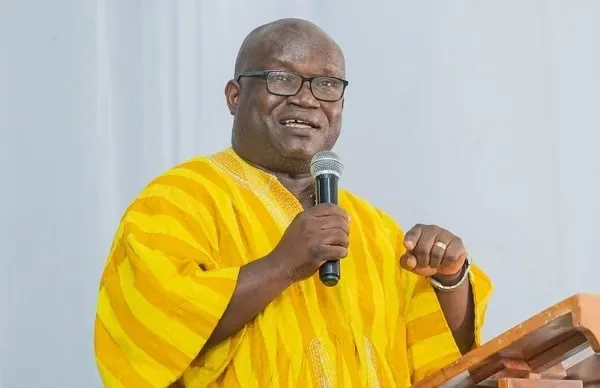
The Ghana Chamber of Mines CEO, Kenneth Ashigbey, has proposed an innovative approach to strengthen Ghana's extractive sector. He suggests deploying National Service personnel into geological exploration and mapping activities to unlock greater value from the country's natural resources.
This proposal was made during the JoyBusiness Roundtable discussion on the theme, “To Nationalise or Transform: Rethinking Ghana’s Approach to Gold Mining, Oil and Critical Minerals.”
“My suggestion for government is that the National Service people we bring out, let’s put them in the field to do exploration and mapping for us to support the sector and that will help,”
Kenneth Ashigbey explained.
Ashigbey's idea is to leverage the annual pool of National Service personnel to support data generation and resource identification across the country. Investing in exploration remains critical if Ghana is to expand local participation and improve long-term returns from the mining and minerals industry. Ghana can't achieve this without significant investment in exploration.
Ashigbey is the Chief Executive Officer of the Ghana Chamber of Mines. He was appointed to this role to oversee the activities of the chamber. The Ghana Chamber of Mines is an association of mining companies in Ghana. They're working together to promote the interests of mining companies in the country.
The proposal adds to ongoing discussions on how Ghana can transform its extractive industries through local capacity development, increased value retention, and policies that support long-term growth beyond resource extraction. These discussions involve many stakeholders, including the government, mining companies, and local communities. They're working together to find solutions.
One of the benefits of increasing exploration activities is that it could provide valuable geological information. This information can improve resource planning. It can also create opportunities for local participation across the mining value chain. Local communities can benefit from these opportunities, and it's essential that they're involved in the process.
Building a stronger foundation of local technical capacity would position Ghana to benefit more from its mineral wealth. It would also attract sustainable investment into the sector. Ghana won't be able to achieve this without a strong foundation of local technical capacity.
Key Facts
- The Ghana Chamber of Mines is an association of mining companies in Ghana.
- Kenneth Ashigbey is the Chief Executive Officer of the Ghana Chamber of Mines.
- The proposal involves deploying National Service personnel for geological exploration and mapping activities.
- Investing in exploration remains critical for Ghana to expand local participation and improve long-term returns from the mining and minerals industry.
As the discussion on transforming Ghana's extractive industries continues, local capacity development plays a crucial role. Local capacity development is essential for Ghana to benefit more from its mineral wealth. It's what will allow Ghana to move beyond just extracting resources and create a more sustainable industry.
The Ghanaian government has been working to improve the extractive sector. They're implementing policies that support long-term growth beyond resource extraction. These policies are designed to promote sustainable mining practices and protect the environment.
Ashigbey's proposal is part of a larger conversation about how Ghana can get more value from its natural resources. This conversation involves many stakeholders, including the government, mining companies, and local communities. They're all working together to find ways to increase value retention in the extractive sector.
The JoyBusiness Roundtable discussion provided a platform for stakeholders to share their ideas and perspectives on the theme, “To Nationalise or Transform: Rethinking Ghana’s Approach to Gold Mining, Oil and Critical Minerals.” It was an opportunity for stakeholders to come together and discuss the future of the extractive sector.
In Ghana, the extractive sector is a significant contributor to the economy. The sector provides jobs, generates revenue, and contributes to the country's GDP. However, it's not without its challenges. The sector faces environmental degradation, social conflicts, and revenue leakages. These are significant challenges that need to be addressed.
To address these challenges, the Ghanaian government has been working to implement policies and regulations that promote sustainable mining practices. They're working to protect the environment and ensure that local communities benefit from mining activities. It's a complex process, but they're making progress.
As the Ghana Chamber of Mines CEO, Kenneth Ashigbey plays a crucial role in promoting the interests of mining companies in Ghana. He also works to ensure that the mining industry contributes to the country's economic development. It's a challenging job, but he's committed to making a difference.
Ashigbey's proposal to deploy National Service personnel for geological exploration and mapping activities is a step towards promoting local capacity development. It's also a step towards increasing value retention in the extractive sector. This proposal has the potential to create opportunities for local participation across the mining value chain. It could include jobs, training, and business opportunities for local communities.
Kenneth Ashigbey's proposal is an important contribution to the discussion on transforming Ghana's extractive industries. It highlights the need for local capacity development, increased value retention, and policies that support long-term growth beyond resource extraction. These are essential elements of a sustainable extractive sector.
The proposal is a call to action for the Ghanaian government, mining companies, and local communities to work together. They need to promote sustainable mining practices, protect the environment, and ensure that Ghana benefits more from its mineral wealth. It's a collective effort that will require cooperation and commitment from all stakeholders. Ghana won't achieve its goals without it.