

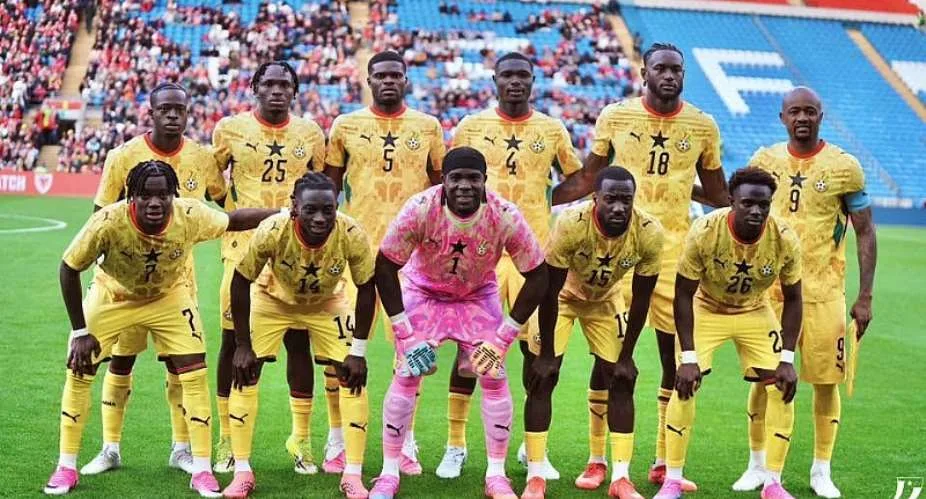
The Black Stars score, the nation erupts. For 90 minutes, politics, ethnicity, and hardship disappear. But when the tournament ends, the questions come: where did the money go?
That cycle — joy followed by suspicion — has repeated itself for years. And as Ghana prepares for another World Cup, analysts are warning that the same pattern is playing out again.
Ghanaians have seen this before. In 2014, Ghana airlifted millions of dollars to Brazil to settle player bonus disputes and stop a boycott. The controversy led to the Dzamefe Commission of Inquiry, which revealed deep problems in how the national team's finances were managed.
Yet little has changed. The Black Stars remain a financial "black box," according to a new analysis published Friday. Successive governments have found money for World Cup participation even during economic hardship, but transparency around how that money is spent remains weak.
"The same discipline, commitment, teamwork, and excellence that supporters expect from players on the field must be demonstrated by those responsible for managing the Black Stars' financial affairs."
The analysis, titled "Beyond the goals! Resetting financial accountability and public trust in Ghana’s World Cup journey," argues that football's power to unite the country also creates cover for poor governance.
"Every cedi spent on sports should be subjected to the same standards of scrutiny, reporting, and oversight that apply to other areas of public expenditure," the analysis states.
Ghana's economy is under pressure. Public resources are limited, with competing demands from health, education, and infrastructure. In this environment, the argument goes, spending on football must be justified — not just by goals, but by clear accounts.
The analysis calls for transparency in budgeting, procurement, sponsorship deals, travel costs, and player bonuses. It says citizens have a "legitimate right" to know how public funds are used and whether they deliver value.
Football administrators and government officials aren't just managing a team, the analysis argues. They're "custodians of public trust."
The warning comes as the Black Stars prepare for the World Cup, with fans hoping for a deep run. But the analysis suggests that without accountability, the goodwill from any success won't last long.
"What should have been remembered as moments of national pride instead became painful reminders of the consequences of weak accountability and poor financial governance," it says, referring to the 2014 scandal.
For now, the nation is focused on the pitch. But once the final whistle blows, the real test begins — not of the players, but of the people who manage the money.