

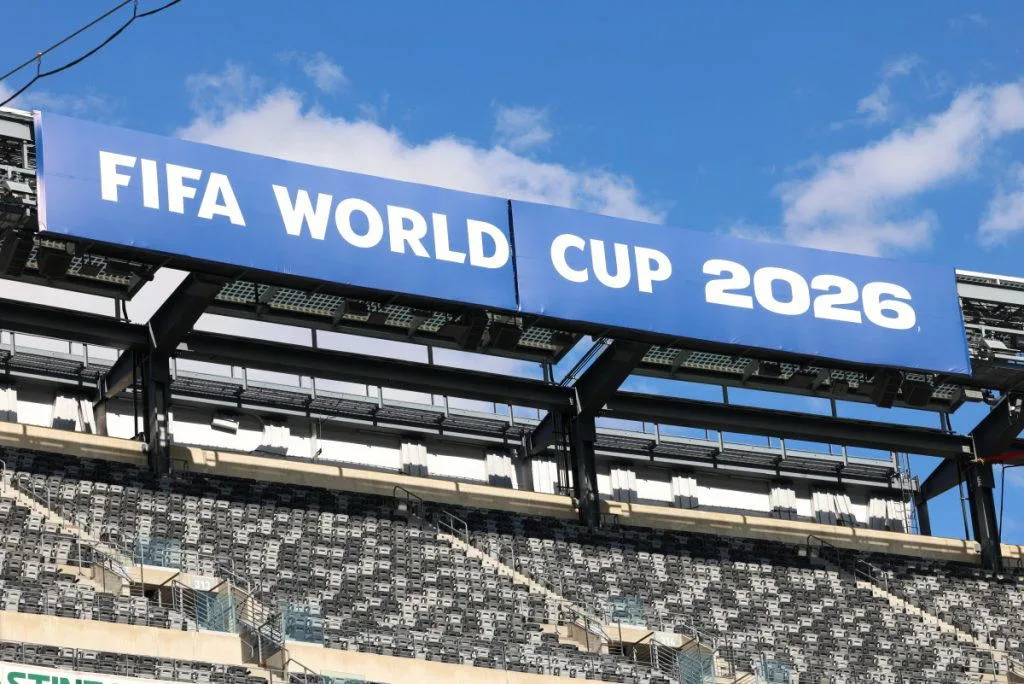
Imagine saving for months to watch the biggest football tournament on the planet, only to find the ticket prices changing like fuel rates during a scarcity. That’s the headache facing football fans in the United States right now, and the authorities have finally decided they’ve seen enough.
New York and New Jersey have kicked off an investigation into whether FIFA is ripping off supporters with what they call “impossibly high” prices. The governing body for world football is under the microscope just weeks before the tournament starts on June 11 across North America.
FIFA has turned buying a ticket to the World Cup into a gauntlet of confusion, fake scarcity, and impossibly high prices.
That was the verdict from Jennifer Davenport, the attorney general for New Jersey. Her state carries a heavy burden this year because they’re hosting the final match on July 19 at the MetLife Stadium. This venue usually serves as the home ground for the New York Giants and Jets.
Letitia James, the attorney general for New York, joined the fray by highlighting that locals have waited years to have the competition in their backyard. She argues that nobody should be manipulated into paying astronomical fees for a seat. They shouldn't have to worry if the ticket they paid for is actually the one they get at the gate.
The Financial Hurdle
It isn't just the tickets that are burning holes in pockets. If you want to get to the final from New York, be prepared to set aside over $100 just for public transport. If you happen to be one of the few with a car, you’ll need to cough up another $225 just for a parking spot.
This aggressive pricing strategy relies on demand-based models, where the cost of a seat shoots up the more people try to buy them. For the average fan who just wants to cheer for their country, this dynamic pricing feels less like a sport and more like an auction for the highest bidder.
Football Supporters Europe (FSE), an organization that defends the interests of fans, hasn't held back their frustration. They’ve labeled the entire structure “extortionate” and a “monumental betrayal.” With FIFA expected to generate a staggering $13 billion from this event, the focus has shifted from accessibility to massive profit margins.
California Joins the Scrutiny
New York and New Jersey aren't the only ones asking questions about these practices. Authorities in California signaled earlier in May that they’d also made contact with FIFA to discuss potential legal violations regarding these sales. This creates a growing wall of resistance from US state regulators who are tired of seeing their citizens squeezed.
This isn't the first time FIFA has faced scrutiny over how it manages its events. The sheer scale of the 2026 tournament has magnified these issues. Nigerians who’ve traveled to previous tournaments often talk about the difficulty of getting match passes. This time, the barrier to entry seems higher than ever.
For many, the dream of witnessing history is being priced out of existence before the first whistle even blows. FIFA now faces the difficult task of explaining their methods to legal teams that have the power to dig deep into their books. FIFA must now provide a transparent justification for these figures or potentially alter their strategy as the kickoff date approaches.