

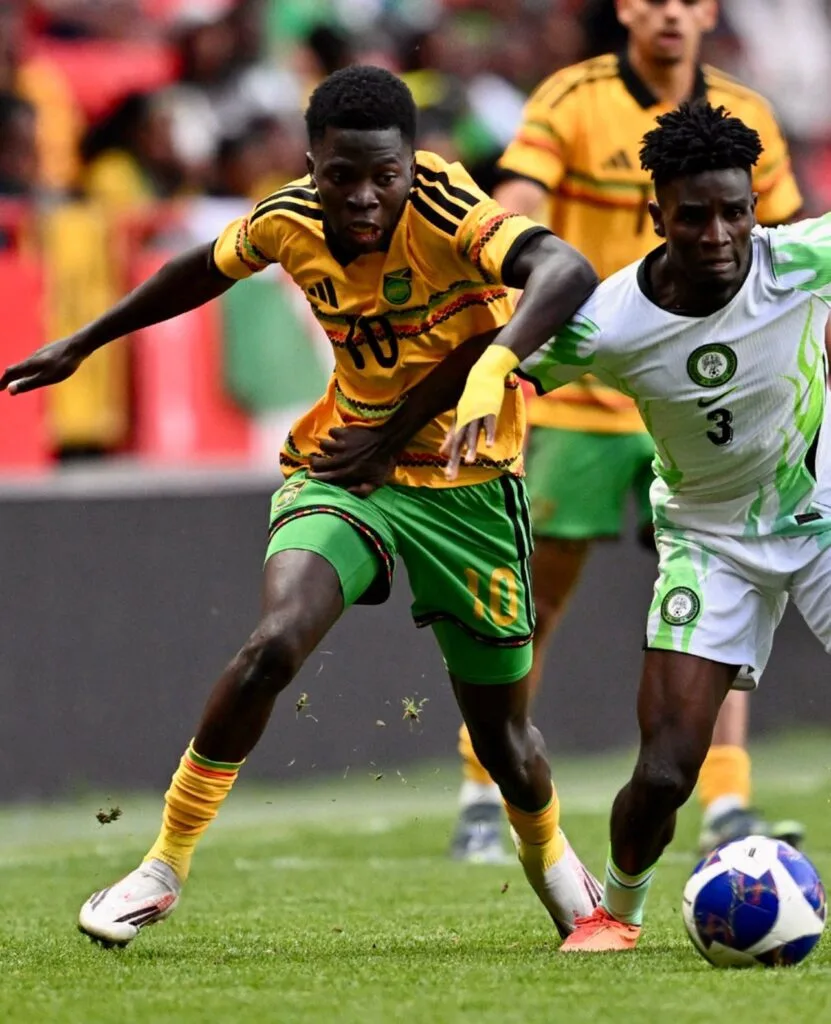
A Lesson in Football Ruthlessness
It took barely two minutes for the script to be written at The Valley in London this Saturday. Nigeria’s midfield general Alhassan Yusuf fired a shot past Jamaican goalkeeper Coniah Boyce-Clarke, signaling that the Super Eagles were not in the mood for a long afternoon. This opening goal set the tone for a match that saw Nigeria comfortably lift the Unity Cup for the fourth time in a row, leaving the Caribbean side struggling to find an answer to the West African intensity.
While Jamaica fans might have hoped for a different result, their hopes were difficult to cling to after a 3-0 scoreline became a reality. The Reggae Boyz have now suffered the heartbreak of three consecutive runner-up finishes, having fallen at the final hurdle in 2022 and 2025 as well. It’s a bitter pill to swallow for a squad that has the talent to reach the big stage but keeps finding ways to stumble at the crucial moment.
"The game was won by those who took their chances, and we simply didn't do enough to stop them when it mattered most."
Defensive Nightmares and Tactical Precision
Terem Moffi stretched Nigeria’s lead to 2-0 in the 59th minute, a moment that will likely feature in several post-match video analysis sessions back in Kingston. A confusing mix-up between the Jamaican defenders gave the ball to the Nigerian striker, who made no mistake in punishing the error. The backline was hesitant against a side as clinical as the Nigerians, and this hesitation left them chasing shadows for the remainder of the evening.
By the time the game hit stoppage time, the Jamaican side's spirit had largely drained. Alhassan Yusuf seized the moment once more, punishing Coniah Boyce-Clarke for straying too far off his goal line. The brace marked a standout performance for Yusuf, who has firmly cemented himself as a menace for any defense tasked with marking him in these international fixtures.
The Heavy Weight of History
For the Nigerian diaspora in London, The Valley turned into a sea of green and white, making the match essentially a home game for the Super Eagles. The consistency of this squad is remarkable, especially considering the turnover often seen in international football. Retaining a trophy four years straight isn't just about luck; it’s about having a core of players who know exactly how to operate under the high-pressure lights of a final, year in and year out.
Conversely, the Reggae Boyz are now left to ponder the mental block that seems to settle over them during these high-stakes matches. Coniah Boyce-Clarke had a difficult task managing a backline that looked frazzled, and the repetitive nature of these final losses will undoubtedly spark conversations about tactical adjustments. Football can be a cruel sport, especially when the scoreboard shows you’re the second-best team in the tournament for the third year running, and no clear path to success seems to be within reach.
Unity Cup Results at a Glance
The winner of the Unity Cup was Nigeria, securing their fourth consecutive title. Jamaica finished as runners-up for the third consecutive year, their final loss being the latest in a string of near-misses. The first goal was scored by Alhassan Yusuf in the 2nd minute, followed by Terem Moffi’s goal in the 59th minute. The final goal, scored by Alhassan Yusuf in added time, sealed Nigeria’s victory. The match took place at The Valley in London on May 30, 2026.
As the Nigerian team celebrated their latest hardware, the Jamaican squad headed back to the dressing room to reflect on another missed opportunity. Despite their ability to navigate the tournament, the Reggae Boyz have yet to overcome the hurdle of finding the composure to win the final game itself. For the fans who traveled to London, it’s a long journey home with a lot to think about regarding what comes next for the national programme, their minds likely filled with questions about how to break this cycle of near-success.