

The world of football isn't just about scoring goals and winning championships. For many of the game's top players, it's also about building business empires that will outlast their playing careers. Cristiano Ronaldo, for example, has built a vast commercial ecosystem around his CR7 brand, which spans fashion, fragrances, gyms, hotels, and lifestyle products. He's done this by leveraging his personal brand to create a successful business venture.
His partnership with Pestana CR7 Hotels is a prime example of how he has leveraged his personal brand. This partnership has helped him create a successful business venture. It's a fully integrated commercial ecosystem that's a model for other footballers who want to build their own business portfolios. Lionel Messi, on the other hand, has taken a more low-key approach to building his business empire. He's invested in a chain of hotels in Spain and has also invested in real estate and long-term brand partnerships.
Neymar Jr is another footballer who's been actively building his business portfolio. He doesn't just focus on football; he's also invested in other areas. Through his company NR Sports, he manages his image rights and sponsorship ecosystem. He's also invested in gaming, digital entertainment, and fashion collaborations. Kylian Mbappé, who's still just 24 years old, has already made a significant impact on the business world.
He's become a controlling stakeholder in the French football club SM Caen, making him one of the youngest footballers to own a stake in a professional football club. This is a notable achievement for someone so young.
Mohamed Salah has also been building his business empire, with investments in real estate, endorsements, and business partnerships in Egypt and the Middle East. He's focused on steady diversification and long-term wealth preservation. Sadio Mané, on the other hand, has taken a more community-driven approach to entrepreneurship. He's funded schools, hospitals, and local infrastructure projects in his home country of Senegal. He's effectively blending philanthropy with structured investment.
This approach has helped him make a positive impact on his community.
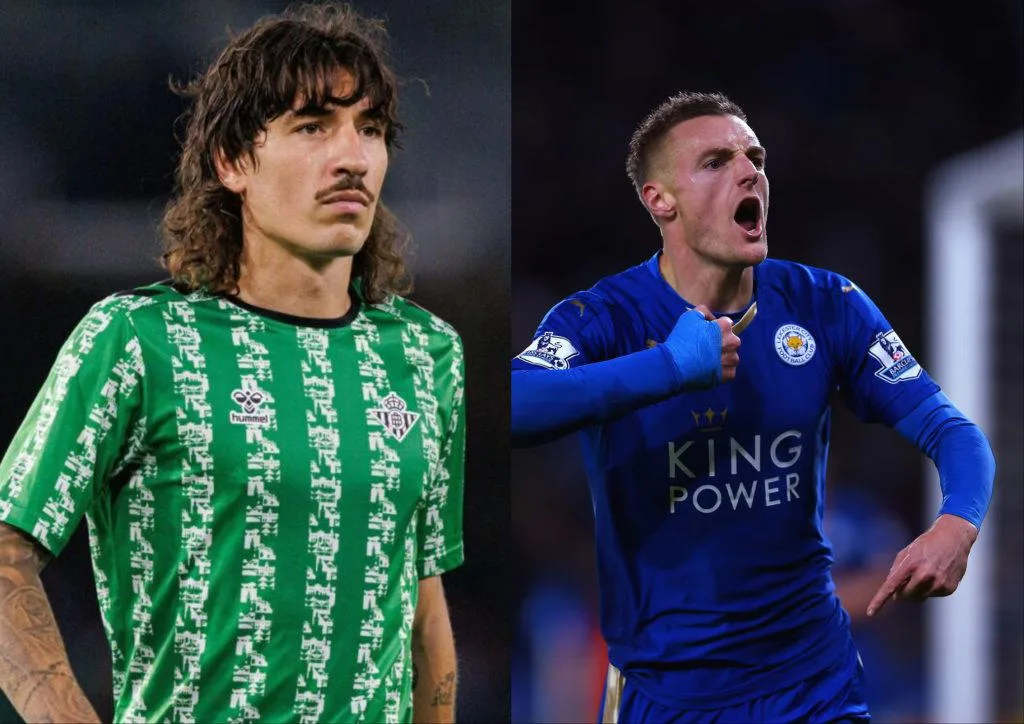
Héctor Bellerín is one of the most visible voices in sustainable entrepreneurship in the football world. He invests in eco-conscious fashion brands and environmental initiatives. He's aligning his off-field identity with ethical consumption and climate-conscious business models. Jamie Vardy has built the V9 Academy, a platform designed to identify and develop non-league talent into professional footballers. Alongside this, he's engaged in lifestyle and sports-related investments.
He's positioning himself as a developer of talent pipelines. He's helping to identify and develop new talent.
N'Golo Kanté has focused his business involvement on football development and grassroots investment structures. His approach is conservative but long-term. He's supporting academies and sporting infrastructure projects that extend his influence beyond his playing career. Karim Benzema has expanded his portfolio while playing in Saudi Arabia. He's leveraging endorsements and private investments linked to sports, real estate, and lifestyle branding.
His business activity reflects the growing trend of elite players using Middle Eastern leagues as platforms for broader financial diversification. They're looking to diversify their income streams and build sustainable businesses.
- 10 active footballers have built successful businesses beyond their football careers
- Cristiano Ronaldo's CR7 brand operates across fashion, fragrances, gyms, hotels, and lifestyle products
- Lionel Messi's business portfolio includes a chain of hotels in Spain and real estate investments
- Neymar Jr's company NR Sports manages his image rights and sponsorship ecosystem
- Kylian Mbappé is one of the youngest footballers to own a stake in a professional football club
The trend of footballers building business empires isn't new, but it's becoming increasingly common. As the football world becomes more commercialized, players are looking for ways to diversify their income streams. They're building sustainable businesses that will outlast their playing careers. With the rise of social media, footballers have more opportunities than ever to build their personal brands. They can create business opportunities and connect with their fans.
'The game's biggest footballers are increasingly building businesses as entrepreneurs: investing in brands, startups, real estate, hospitality, and social enterprises while still playing at the highest level.' This quote highlights the shift in the football world. Players are no longer just athletes; they're also entrepreneurs and business leaders. They're taking control of their careers and building their own business empires.
The Nigerian connection to this story is through the growing number of African footballers who are building their own business empires. Players like Mohamed Salah and Sadio Mané aren't just making a name for themselves on the pitch; they're also making a name for themselves off the pitch. They're building business ventures and investments. This trend isn't limited to football; many African entrepreneurs are looking to build sustainable businesses. They want to create jobs and stimulate economic growth.
They're working to build a better future for themselves and their communities.
The future of football isn't just about the beautiful game; it's also about the business of football. As players continue to build their own business empires, we can expect to see more innovative and sustainable business models emerge. The question is, what will be the impact of this trend on the football world and beyond? It's likely that we'll see a significant impact, as players become more involved in the business side of the game. They'll be driving change and innovation in the football world.