

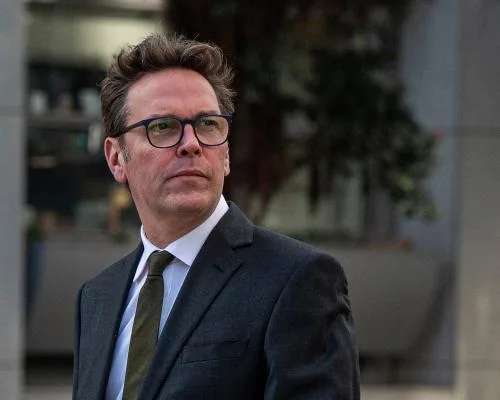
James Murdoch, the 53-year-old son of publishing giant Rupert Murdoch, has agreed to acquire half of Vox Media's assets, including New York Magazine, in a deal believed to be worth about $300m. He's doing this through his company, Lupa Systems, which has holdings in Art Basel, the traveling art fair business, and Tribeca Enterprises, the media and entertainment company co-founded by Robert De Niro.
This deal isn't just about the money - it's about the impact on the media landscape. James Murdoch told the New York Times he wasn't looking to acquire a “daily news business” but wanted “longer-form, thoughtful journalism that can really speak to the culture”. He also said,
“We want to create platforms where really amazing, talented people can come and do the best work of their lives.” He wants to give talented people a chance to thrive.
James Murdoch is the second son of Rupert Murdoch, and he has a long history in the media industry. He served as CEO of 21st Century Fox, and Europe’s BSkyB and Sky plc, and CEO of Asia’s Star TV. This deal is the biggest acquisition for Murdoch since he and his family resolved a protracted dispute over future control of the family’s media holdings. They didn't see eye-to-eye on the company's future.
As part of the settlement, James Murdoch and his siblings received about $1bn and control was handed over to the elder Lachlan Murdoch. Before the dramatic family bust-up over control, which included a legal face-off in a Reno, Nevada, courtroom, Murdoch had a successful career in the media industry. He's not trying to do something differently from his father, but rather he's “just trying to build a great business”. He doesn't want to compete with his father, he just wants to succeed.
The deal includes Vox’s podcast series, a fast-growing segment with the Vox business. Podcasts are estimated to reach 58% of Americans monthly. This number includes two out of three people between the ages of 18 and 54, according to Edison Research. In a note to staff, Vox Media’s CEO, Jim Bankoff, said,
“Separating into two distinct companies best sets up our brands, shows, businesses, talent, and teams to continue to lead and prosper in the changing media landscape.” This change will help the company adapt to the changing media landscape.
Certain Vox media properties, including Eater, Popsugar, SB Nation, The Verge, and The Dodo are not included in the transaction. The acquisition “aligns well with our existing holdings and investments and reflects both our interest in the forward edge of culture and our deep commitment to ambitious journalism and agenda-setting conversations”, James Murdoch said in an official comment. He's committed to creating a great media company.
So what's next for Vox Media and James Murdoch? The company will be split into two distinct companies, with James Murdoch's company acquiring half of the assets. This deal is expected to have a significant impact on the media industry, as it will create new opportunities for journalists and content creators. It won't be easy, but it's a great chance for them to grow.
The deal is worth $300m. James Murdoch is acquiring half of Vox Media's assets. The acquisition includes New York Magazine and its online spin-offs. Podcasts are estimated to reach 58% of Americans monthly. James Murdoch and his siblings received about $1bn in the settlement with his family. These are the key facts of the deal.
The Nigerian media industry can learn from this deal, as it shows the importance of investing in thoughtful journalism and creating platforms for talented people to work. Although there is no direct connection to Nigeria in this story, the impact of the deal will be felt globally, as the media industry continues to evolve. It's not just about Nigeria, it's about the whole media industry.
James Murdoch's acquisition of half of Vox Media's assets is a significant deal that will have a major impact on the media industry. With his commitment to thoughtful journalism and creating platforms for talented people, this deal is expected to bring about positive changes in the industry. The future of the media industry is uncertain, but one thing is clear: it's changing fast.