

Moving Beyond the Side Hustle
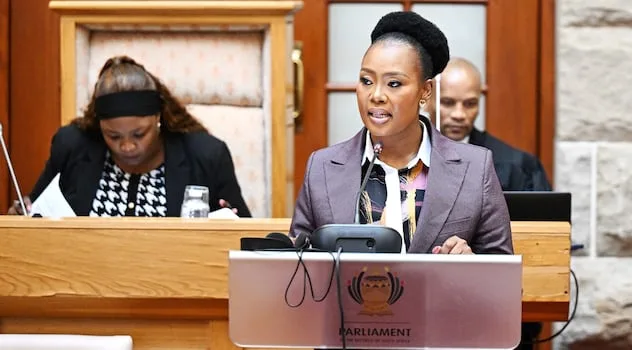
Minister of Small Business Development Stella Ndabeni stood in Parliament today and made a bold gamble: that the person selling snacks on WhatsApp or running a small factory in a township is more important to South Africa's survival than the corporate giants. Delivering Budget Vote 36, she bypassed the usual dry talk about percentages to lean into the emotional weight of 2026. This year marks 50 years since the Soweto Uprising and 30 years since our Constitution was adopted. Her message was clear: political freedom without a few Rand in the pocket is just a fancy idea that doesn't put food on the table.
She isn't talking about 'survivalist' businesses anymore. Instead, the department is positioning micro, small, and medium enterprises (MSMEs) as the primary infrastructure for job creation. The National Development Plan claims 90% of future jobs will come from these small setups, and the government is finally putting its money where its mouth is. Last year, they backed over 288,000 businesses, and 117,000 of those received direct cash support. For the recipients, this wasn't just a government spreadsheet; it meant school fees paid and staff salaries met.
Real People, Real Factories
To prove this isn't just talk, Ndabeni highlighted the success of Mahapa Raisibe Matlhako. A young black woman from Roodepoort, she managed to get her hygiene and wellness products into Boxer Super Stores. That is a massive win for someone who usually faces the closed doors of big retail. Her business was boosted by R13.8 million through the Small Enterprise Development and Finance Agency (SEDFA) manufacturing programme. This single move created 32 jobs.
It shows exactly how the state is trying to fix historical imbalances where ownership was reserved for a select few.
Then there is the story of Thenjiwe Tsabedze. She used an R80 million funding package to buy the Protea Hotel in Mahikeng, now rebranded as Indalo. It’s a powerful image: a local entrepreneur taking control of a space that, decades ago, might have strictly forbidden her from walking through the front door. This represents economic transformation in action, moving away from symbolic gestures and toward actual asset ownership.
Cash and Assets for the Long Haul
Entrepreneurs must survive the daily grind of load-shedding and high costs. The government is dumping R710 million into the Township and Rural Entrepreneurship Programme this year alone. They’ve also raised the funding cap from R1 million to R3 million. This allows small businesses to finally scale up rather than just keeping their heads above water.
They are also testing a new way to help: giving equipment instead of loans. Through the Asset Assist Programme, businesses get the actual machinery they need to grow, rather than cash that could easily be swallowed by debt. Last year, this helped 938 businesses, and that number is set to rise with a R215 million budget this time around. Here are some of the key allocations for the upcoming cycle:
- SEDFA Funding: R1.9 billion dedicated to small enterprise development.
- Women-Owned Business Support: R300 million through the 'Imbali for Her' fund.
- Youth Entrepreneurship: R300 million to be launched during Youth Month in June.
- Creative Sector Fund: R150 million for artists and creators who have long been ignored by traditional banks.
- Khula Credit Guarantee: R1 billion set aside to help bridge the trust gap between lenders and small businesses.
The Hurdles Ahead
Despite the big numbers, the mood in the room wasn't entirely celebratory. Ndabeni is well aware of the massive obstacles facing the average entrepreneur. Can a startup truly thrive when the lights are off half the day and the market is dominated by a few massive players? Bureaucracy remains a giant monster that eats up time and patience.
While the department is trying to force its way into procurement pipelines and retail shelves—securing contracts for 293 small businesses last year—the reality is that the state is playing catch-up. These interventions act as a form of economic correction. The goal is to make sure that being 'bankable' isn't just for those who already have deep pockets. The ultimate test is whether these funds are enough to make a dent in the country's massive unemployment crisis. For now, the government is betting the farm on the little guy, hoping that supporting the grassroots will stabilize the country's economy.