

SpaceX just pulled off the biggest IPO in history. The company priced 555.6 million shares at $135 each, raising a staggering $75 billion. That's more than any company has ever raised in a single public offering.
At this price, the deal sets up founder and CEO Elon Musk to become the world's first trillionaire. Musk already owns a significant chunk of SpaceX, and the IPO valuation pushes his net worth into uncharted territory.
The IPO has been 24 years in the making. SpaceX was founded in 2002 with the goal of making space travel cheaper and more accessible. Over the years, the company has captured global attention with its reusable rocket launches, its ambitious Starship program, and the rapid expansion of its Starlink satellite internet network.
But nothing compares to this moment. The $75 billion raise shatters the previous IPO record held by Alibaba, which raised $25 billion in 2014. It also tops Saudi Aramco's $29.4 billion IPO in 2019. SpaceX is now in a league of its own.
So who bought all these shares? The IPO was open to both institutional investors and retail investors through brokerages. Demand was sky-high, driven by SpaceX's track record of innovation and its growing revenue streams from Starlink, which now has over 4 million subscribers globally.
What happens next? The shares will start trading on a public exchange — likely the Nasdaq — under a ticker symbol that hasn't been announced yet. Investors who got in at the IPO price will be watching closely to see if the stock pops on day one.
For Musk, this is the crowning achievement of a career full of them. He already runs Tesla, the world's most valuable automaker, and owns X (formerly Twitter). But SpaceX has always been his passion project — the company he said he started to make humanity a multi-planetary species. Now, it's also his most valuable asset.
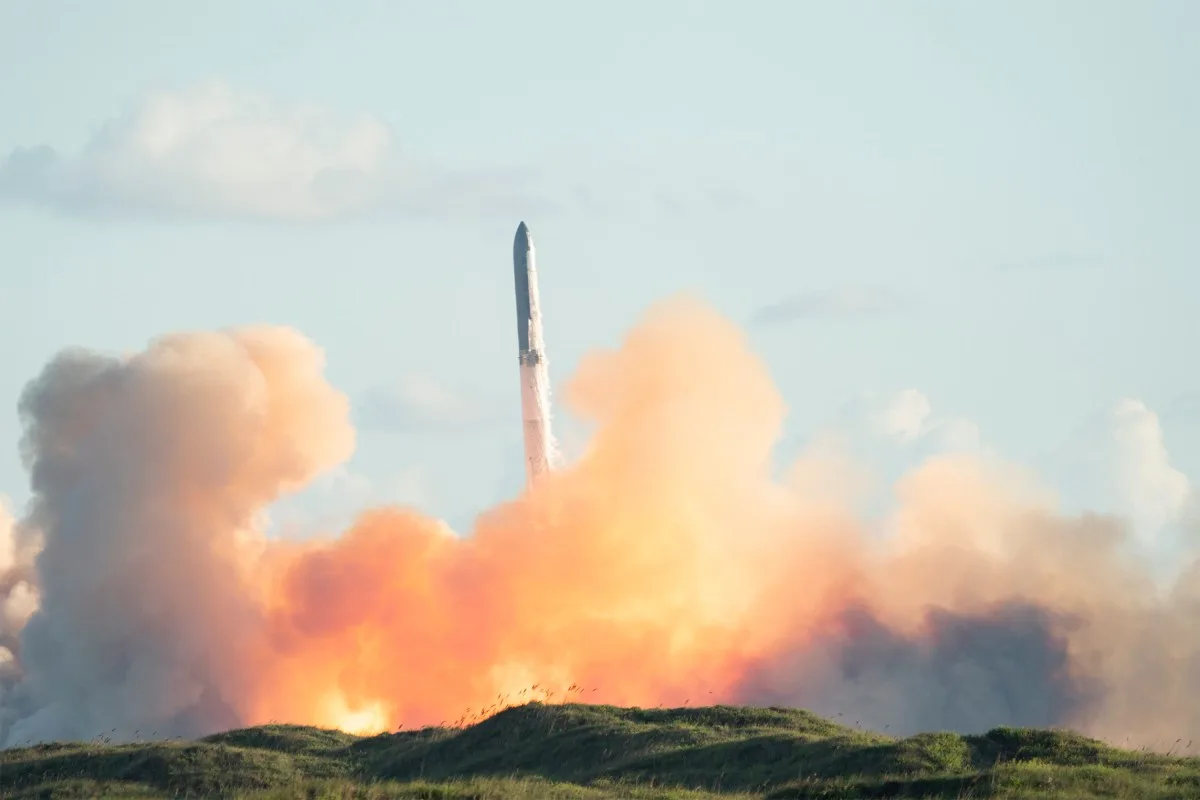
The IPO also has implications for the broader space industry. Other private space companies like Blue Origin and Rocket Lab may now feel pressure to go public too. And with SpaceX's massive cash haul, it can accelerate development of Starship, the giant rocket designed to carry people to Mars.
For everyday investors, this is a rare chance to own a piece of a company that has dominated headlines for years. But it also comes with risks — SpaceX is still a capital-intensive business, and its long-term success depends on Starship working as planned.
The IPO market has never seen anything like this. And neither has the world of wealth. Elon Musk is now closer than anyone has ever been to a 12-figure net worth.