

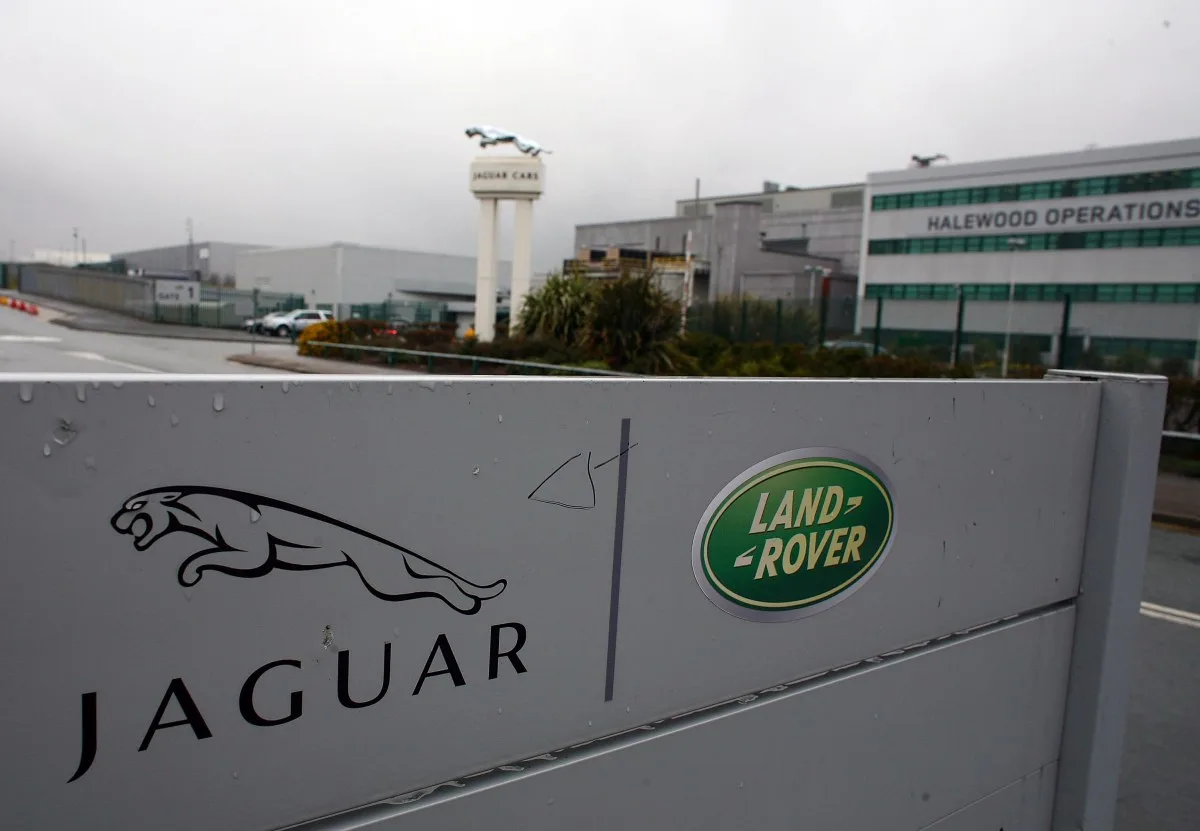
Russian Hackers Behind $2.5 Billion Jaguar Land Rover
Hack: Report The $2.5 billion hack of Jaguar Land Rover, one of the UK's biggest employers, has been attributed to Russian hackers. Citing people close to the investigation, The New York Times reports that the hackers behind the breach were Russian, although it's still unclear if they were working directly for Vladimir Putin's government, were just criminals, or something in between.
### Investigation and Impact For months, there was speculation about who was behind the hack. The attack forced Jaguar Land Rover to halt production, causing significant losses for the company and the British economy as a whole. Estimates suggest that the breach cost the country a staggering $2.5 billion.
### The Cost to Jaguar Land Rover The UK government stepped in to bail out the company with a £1.5 billion payment, but the damage was already done. The hack not only crippled Jaguar Land Rover's operations but also affected thousands of employees who lost their jobs or faced reduced working hours due to the production halt.
### What's Next As the investigation continues, authorities are working to determine the exact motives behind the hack and whether any rogue elements within the Russian government were involved. The impact of this breach on the global automotive industry and the country's economy will be closely monitored in the coming weeks.
### Jaguar Land Rover's Response Jaguar Land Rover has maintained a tight-lipped stance on the hack, but sources close to the company reveal that they are working to improve their cybersecurity measures to prevent such attacks in the future.
The single sharpest fact in one or two punchy sentences. Who did what, where, when, and why it matters. Not a summary of everything — the one thing that makes someone stop scrolling. A reader who only reads this paragraph must understand what happened.
The New York Times report comes at a time when the UK government is under increasing pressure to address its cybersecurity vulnerabilities. The government has been accused of being slow to respond to growing cyber threats, and the Jaguar Land Rover hack highlights the need for more decisive action.
### A Growing Concern The hack has sparked concerns about the vulnerability of the UK's critical infrastructure to cyber attacks. As the country becomes increasingly dependent on technology, the risks of such breaches are becoming more pronounced. The UK government has acknowledged the gravity of the situation and has vowed to take a more proactive approach to addressing cyber threats.
#### Key Facts:
- £1.5 billion: the amount the UK government bailed out Jaguar Land Rover with
- $2.5 billion: the estimated cost of the hack to the British economy
- months: the duration of Jaguar Land Rover's production halt
- thousands: the number of employees affected by the hack
#### A Warning for the Industry The Jaguar Land Rover hack serves as a stark reminder of the growing threat of cyber attacks on critical infrastructure. As the world becomes increasingly interconnected, the risks of such breaches are becoming more pronounced. The automotive industry, in particular, is vulnerable to cyber threats, and companies like Jaguar Land Rover must take proactive steps to protect themselves.
### Jaguar Land Rover's History Established in 1922, Jaguar Land Rover has a rich history of innovation and excellence. The company has been a major employer in the UK, producing iconic vehicles that have become synonymous with British engineering. The hack highlights the importance of cybersecurity in the automotive industry and the need for companies to invest in robust measures to protect against such attacks.
### The British Economy The hack has had a significant impact on the British economy, with estimates suggesting that the breach has cost the country $2.5 billion. The UK government's decision to bailout Jaguar Land Rover with a £1.5 billion payment has helped to mitigate the financial losses, but the damage to the country's economy is still being felt.
### Conclusion The Jaguar Land Rover hack serves as a stark reminder of the growing threat of cyber attacks on critical infrastructure. As the world becomes increasingly interconnected, the risks of such breaches are becoming more pronounced. The automotive industry, in particular, is vulnerable to cyber threats, and companies like Jaguar Land Rover must take proactive steps to protect themselves. The UK government must also take a more decisive approach to addressing cyber threats and ensuring the country's critical infrastructure is protected.