

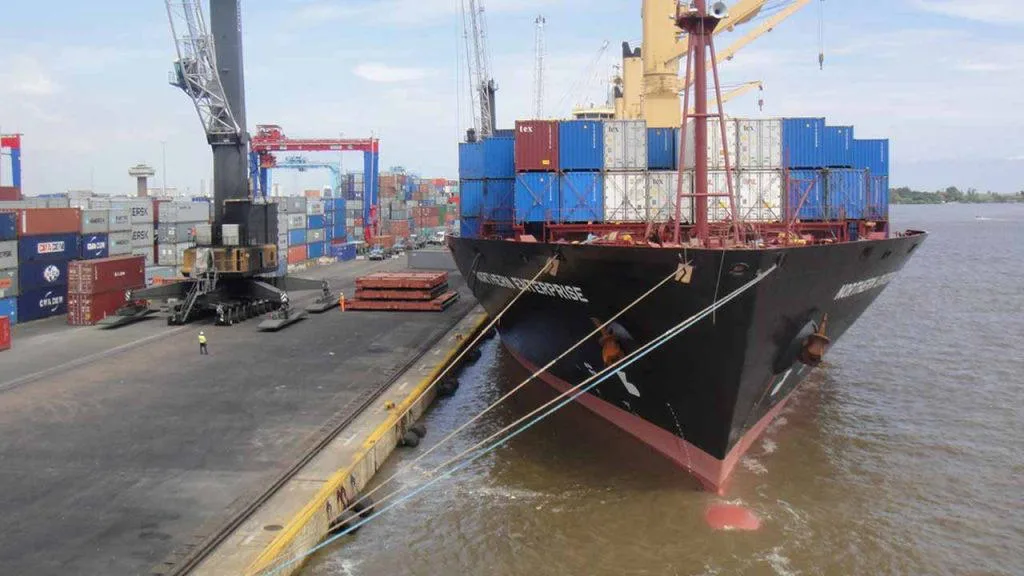
Something is definitely moving at Nigeria's ports. In the second quarter of 2026, a whopping 35.7 million metric tonnes of cargo passed through. That's a solid 12.3% leap from the same period last year. The Nigerian Ports Authority (NPA) is shouting about this win. They say it's all thanks to the Federal Government's push for maritime reforms.
Dr. Abubakar Dantsoho, the NPA's Managing Director, is beaming. He says this boost in cargo and ship calls shows how resilient the nation's seaports are. It also shows they’re becoming more competitive. Imagine, 1,201 ocean-going vessels docking, a good 14.4% increase from 2025. Their total tonnage? It's skyrocketing by 22.2% to nearly 50 million tonnes. Even the smaller service boats are busy, with their numbers up by 22.3% and their tonnage by a massive 62.4%.
Looking at the cargo itself, more is coming in than going out. Inward cargo made up 56.8% of the total. Outward cargo, which shows Nigeria's export game, jumped by a strong 22%. This means more Nigerian goods are finding their way to international markets. Transshipment cargo, where goods are just passing through Nigerian ports on their way to somewhere else, also made an appearance.
It contributed 1.4% of the total throughput. This is a new development that suggests Nigeria is becoming a regional transit point.
Container traffic isn't left behind either. It's climbing 11.3% to over 602,000 TEUs. That's twenty-foot equivalent units, a standard measure for containers. More loaded containers came in. Outward loaded containers saw a slight dip, though.
Empty ones increased, possibly indicating preparations for future exports or repositioning of empty containers. But the real headline grabber here is the 29,038 TEUs of transshipment container traffic recorded. That's compared to zero in the previous year. This points towards Nigeria becoming an emerging regional hub for this kind of operation.
And it’s not just ships and containers; vehicles are moving too. Port facilities handled 44,147 vehicles in Q2 2026. That's an 18.3% increase from last year. This surge in all these key performance indicators is a clear sign that the reforms are starting to pay off. It's making the ports more efficient and attractive for international trade.
The NPA isn't resting on its laurels, though. Dr. Dantsoho has made it clear that a massive infrastructure overhaul is the main plan for 2026. This includes modernising the aging Apapa and Tin Can Island ports. They're nearly a century and over fifty years old, respectively. They're also backing deep-sea projects in Lekki and Badagry to handle bigger ships. They're reviving the Eastern Ports too, to ease the pressure on Lagos ports.
Technology is also a big part of the plan. The NPA is beefing up security systems to allow for 24-hour operations. They're working closely with customs agents. The goal is to cut down on congestion. They also want to speed up how quickly cargo gets out of the ports.
The ultimate aim? To make Nigeria the central trade nerve of West Africa. This should lead to faster operations, lower shipping costs, more trade, and better export performance. It's a bold vision. These latest figures suggest they might just be on the right track.