

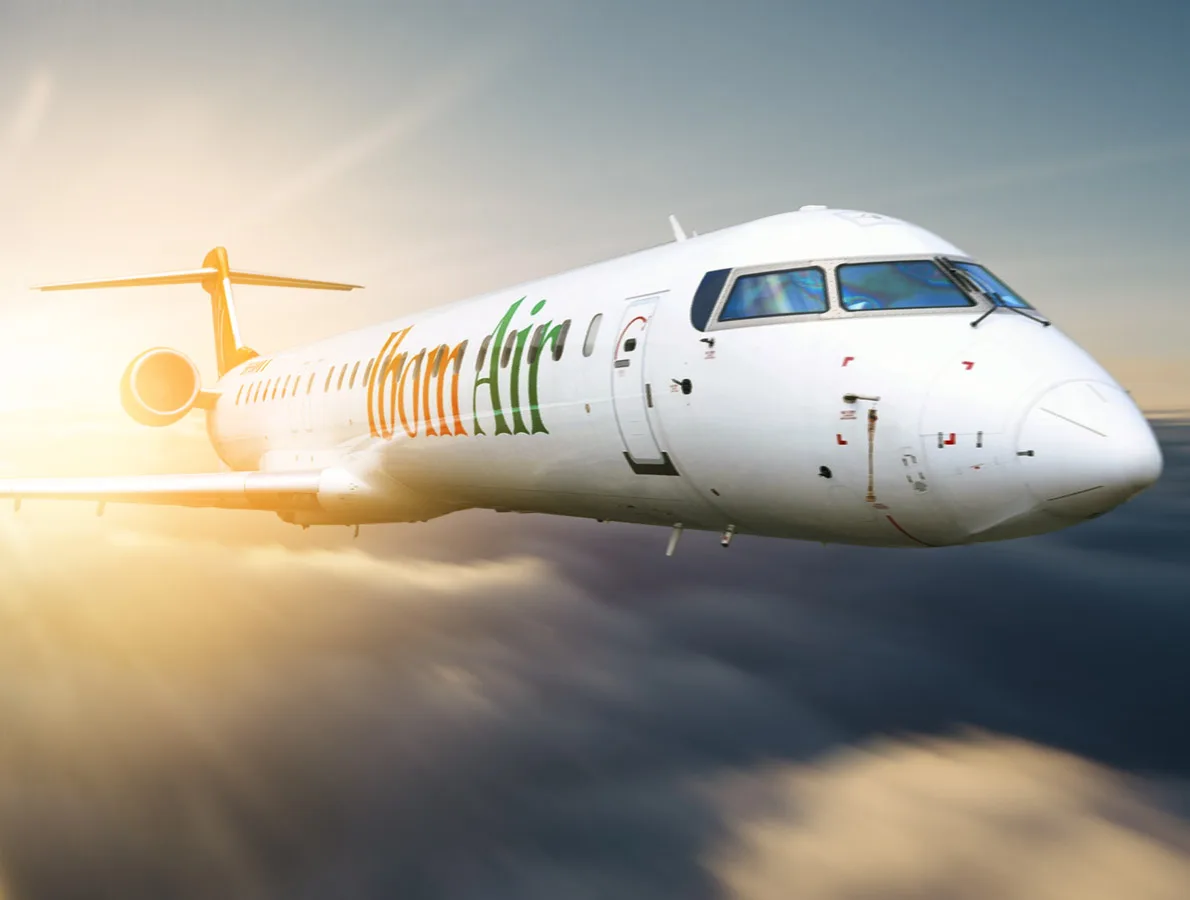
Ibom Air has fired back at accusations that it's hogging Victor Attah International Airport in Uyo, claiming it has no power to block other airlines. The Akwa Ibom State-owned carrier stated on Sunday that it doesn't have the "authority, mandate or regulatory power" to stop any airline from flying into Uyo or anywhere else in Nigeria. That sort of decision, they say, is strictly for aviation watchdogs like the Nigeria Civil Aviation Authority (NCAA).
The whole drama kicked off again after a passenger, George Essien, took to Facebook to vent. He coughed up a whopping N227,000 for a flight from Lagos to Uyo, after being stranded in Lagos for three days trying to get a seat. He wasn't just complaining about the price; he was also questioning why other airlines couldn't just operate out of Uyo to give passengers some breathing room.
Essien explained that the lack of available flights on Ibom Air forced him to stay an extra three days in Lagos after his training programme finished. While driving back is an option, he argued the sheer stress, risk, and exhaustion of a long road trip made flying the only sensible choice. This is the heart of the matter for many travellers – when flying becomes unaffordable or impossible, the alternatives are grim.
Ibom Air's statement, posted on Facebook by spokesperson Anietie Essienette, did address the monopoly claims. It clarified that past route suspensions, like those to Enugu and Calabar, were due to routine maintenance and operational needs, not some grand scheme to control the market. They also pointed out that factors like aircraft availability, fuel, airport facilities, scheduling, and regulatory hoops all play a part in how often flights can run.
But here's the catch: while Ibom Air talked about monopoly allegations, it didn't really get into the nitty-gritty of why tickets are so expensive or how the limited number of other carriers on the route might be contributing to those eye-watering fares. That's the question on many lips, and the airline's statement offered no direct answers.
Fellow passengers chimed in on Facebook, echoing Essien's concerns. Mfon Enyina warned that Ibom Air could lose its loyal customers if passengers continue to see its fares as too high. Another user suggested that a bit more competition would naturally push the airline to offer better deals. It seems the public is tired of feeling like they have no choice but to pay top dollar.
This isn't the first time Victor Attah International Airport has been the centre of such discussions. Back on June 28, Destiny Nnanah posted on Facebook, arguing that a real measure of an airport's success isn't just fancy buildings, but how many airlines fly in and out, the passenger numbers, and the economic buzz it creates.
Nnanah pointed to Enugu Airport as an example, where she'd seen multiple airlines operating, giving travellers a real sense of choice. She believes that opening up Uyo to more airlines could significantly boost passenger numbers, create jobs, support tourism, and generally fire up the local economy. More airlines mean more choices, better prices, and a healthier travel ecosystem.
The airline did eventually weigh in on competition, saying it actually welcomes it. Ibom Air stated that a competitive aviation environment would be a win for passengers, offering more flight options, diverse schedules, varied fares, and better connectivity. Yet, despite this embrace of competition, the core issues of ticket price and limited carrier options remain.
Ibom Air stressed that its position as the "home-based carrier" doesn't give it any special rights or control over the airport itself. "As the home-based carrier, Ibom Air is proud to operate from Uyo, but being the home-based carrier does not confer ownership or control of the airport," the statement read. It's a delicate balance between being a proud local carrier and ensuring a fair marketplace for everyone.