

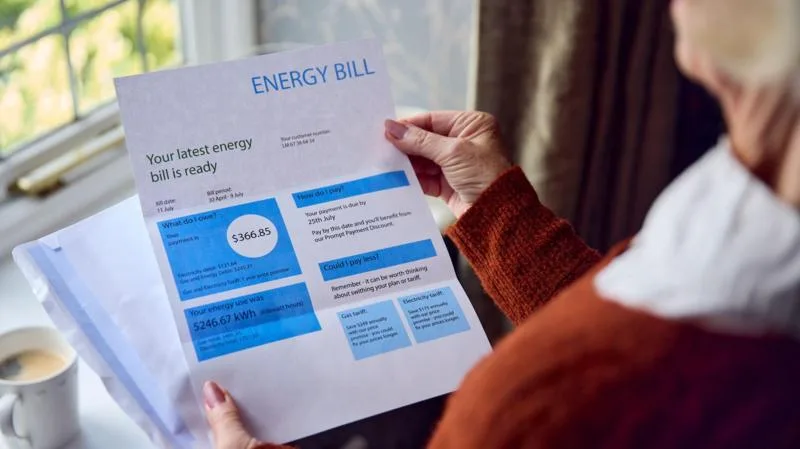
Your bank balance is about to take a proper hit, and there’s not a lot you can do about it except turn the heating down and pray for a mild winter. Starting in July, the average household energy bill is jumping by £221 a year, according to the latest word from Ofgem. That’s a 13% increase that hits just as we were all hoping for a bit of breathing room.
This mess isn’t about local failures, but rather a drama playing out in the Middle East. Iran has effectively blocked the Strait of Hormuz. That’s a big deal because it handles roughly one-fifth of the entire world's oil and gas supply. When tankers can't get through, wholesale prices go absolutely mental. Those higher costs have finally travelled all the way from the sea lanes to your front door.
Ofgem is the government regulator for the gas and electricity markets in Great Britain. They set the price cap, which is the maximum amount suppliers can charge for each unit of gas or electricity. This limit is applied to the individual unit rate, not the final total amount on your monthly direct debit. If you’re on a variable tariff in England, Scotland, or Wales, this is the figure that dictates how much of your hard-earned cash disappears every month.
The shifting sands of utility consumption
The regulator has decided to tweak the definition of a 'typical' household to calculate these new figures. They admit that many families have already been forced to change their habits and use far less energy due to the price hikes we saw over the past couple of years. Because homes have become more efficient and people are generally using less power, the baseline for these calculations has been adjusted downward.
If that sounds like a bit of creative accounting to make the pill look less bitter, you wouldn't be the first to think so. Even with this lower consumption model, the annual bill for a standard home is set to hit £1,862. Because this is tied to global conflict, energy suppliers are already whispering that the cap could move higher if the situation in Iran gets any uglier.
"The geopolitical reality is that energy security is inextricably linked to regional stability, and currently, the shipping corridors remain highly volatile."
This isn't just a British problem. The global energy market is so tightly linked that when major producers like Iran face domestic turmoil or engage in blockades, every consumer from Lagos to London feels the pinch. For those with family members back home in Nigeria, this underscores how global commodity prices are hitting households everywhere at once. It’s a harsh reminder that what happens in the Strait of Hormuz doesn't stay in the Strait of Hormuz.
Energy companies have been warning that the winter months usually bring higher demand, which could push these costs even further into the stratosphere. Without a diplomatic resolution to the conflict, the outlook for the colder part of the year is fairly grim. If you thought you were done with the era of sky-high energy prices, we’re likely settling in for a long, expensive haul.