

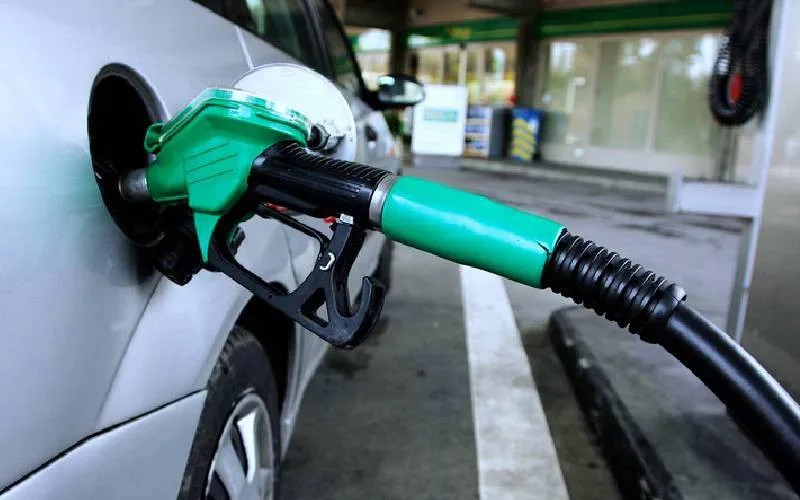
The MT Fortitude, a Marshal Islands-flagged ship, pulled into Mombasa on May 14 to offload 81,600 metric tonnes of diesel, but this shipment has left a sour taste in the industry. While the cargo is now safely on Kenyan soil, whispers about its true chemical makeup are growing louder by the day. The issue isn't just about a standard delivery; it's about the relaxing of fuel standards that's opening the door for bad business to pass through our ports.
Industry insiders have spent the last two weeks pouring over the manifest of the MT Fortitude and are unimpressed. The timeline of the voyage doesn't seem to sync up with the documentation provided for the fuel. A paper trail with such gaps is a clear indication that someone is hiding something. The main fear is that this diesel isn't what it claims to be on the label.
The Mid-Sea Blending Mystery
There's a growing suspicion that this shipment underwent mid-sea blending. This is the practice of mixing high-sulphur, cheap fuel with better-grade diesel while out in international waters to manipulate the quality to a level that just barely passes local inspection. By doing this, suppliers can pocket the difference between the cost of the dirty fuel and the premium price paid for cleaner product. This practice is a trick as old as trade itself, and it's a major obstacle for any country trying to regulate its energy sector.
The timing of this discharge is particularly suspicious because it coincides with the government's decision to loosen its sulphur content standards. When regulations become easier, the incentives for suppliers to cut corners skyrocket. This specific load of diesel is being cited as one of the first major shipments to take advantage of these new, lower bars. For the average motorist driving through Nairobi or Mombasa, this could mean faster engine wear, clogged filters, and higher repair bills that will definitely hit where it hurts—the wallet.
Beyond the technical specs, the inconsistencies in the paperwork have sent local regulators into a spin. When a ship as large as the MT Fortitude docks, it usually leaves a clear trail of where the fuel was refined, processed, and quality-tested. Instead, analysts are reporting a mess of documents that look like they were cooked up to cover tracks. The vessel's origins in the Marshal Islands flag registry is common for tankers, but it adds a layer of distance that makes tracking the original oil refinery difficult.
Potential Impact on Your Wallet and Engine
- The MT Fortitude offloaded 81,600 metric tonnes of diesel on May 14, 2026.
- Experts have flagged the cargo for unusually high sulphur content levels.
- Discrepancies in shipping documents suggest potential tampering during the voyage.
- The cargo was imported under recently relaxed national fuel quality standards.
- The shipment coincides with the government's decision to loosen sulphur content standards.
If you've ever wondered why your car is suddenly acting funny after a full tank top-up, this is the kind of reality that might be behind it. The chemistry of fuel is delicate. Even small increases in sulphur can drastically change how an engine burns diesel over time. It creates acidic deposits that eat away at internal parts, and with the high cost of fuel these days, nobody wants to pay premium prices for fuel that's effectively wrecking their vehicle.
The authorities have been quiet about the specific findings of their follow-up tests on this consignment, and the silence is deafening, especially for those in the logistics and transport sector who rely on consistent fuel quality to keep their trucks and matatus running across the country. Nairobi is different, and in this market, when you hear about 'irregular fuel checks,' you know the consumer is usually the one left holding the bill for the damage.