

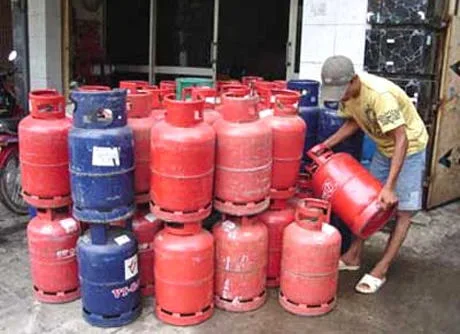
Your kitchen might be feeling the pinch because cooking gas, or LPG, has seen a sharp jump in price. As of September 16, 2026, you're likely shelling out N1,300 for every kilogram. That's a hefty 8.3% increase from the N1,200 it cost in August. And if you think that's the highest you'll pay, think again – smaller, informal outlets are charging up to N1,400 per kilogram, especially outside major cities.
Mr. Inyang Edu, the National President of the Nigerian Association of Liquefied Petroleum Gas Marketers (NALPGAM), explained that this isn't a simple, single-cause problem. He pointed to the ongoing geopolitical turmoil, especially the conflict involving the United States and Iran. This conflict is making the global energy market jumpy and unpredictable. This international drama doesn't just stay overseas; it hits home through various channels.
The price of energy on the world market goes up, shipping and insurance costs skyrocket, and the value of our foreign exchange becomes a factor.
Domestic issues like transportation costs, how easily gas can be supplied into the country, and even how much it costs to run the gas plants themselves all add up. When the cost of getting new gas to the depots goes up, marketers can't afford to keep selling at the old price without losing money. Every part of the journey, from the depot to the plant where they refill your cylinder, and all the logistics in between, needs to be paid for.
This increase hits millions of Nigerian households and businesses hard. Cooking gas isn't a luxury anymore; it's essential for families, restaurants, bakeries, food vendors, schools, and hotels. So, it's not just about the cost of refilling a cylinder. Businesses that use gas for cooking or production face higher operating costs. You can bet those extra expenses will eventually find their way into the prices of food and other goods and services you buy.
There's also a serious social and environmental side to this. When cooking gas becomes too expensive, some families are forced to cut back or go back to using firewood and charcoal. This completely undermines Nigeria's goals for clean cooking. It can lead to significant problems for both the environment and public health, not to mention the air quality inside homes.
Edu also highlighted that Nigeria has been facing its own supply problems, even before this international price hike. Back in June 2026, the Mid and Down Petroleum Regulatory Agency (NMDPRA) reported a shortage of about 91,966 metric tonnes of LPG for the year so far. This shows that the domestic market has structural issues getting enough gas, on top of the pressures from global prices.
He added that the price you pay at the depot can vary quite a bit from one place to another. It can also change daily based on how much gas is available, where it's coming from, the location of the depot, and the deals struck between suppliers and buyers. For example, on September 16, 2026, prices for 20 metric tonnes of LPG in Lagos were reportedly between N20 million and N22.7 million, depending on the depot and supplier. Ardova listed prices around N22 million, Stockgap at N22.7 million, and Panocean at about N20 million. Some other listings showed 20 metric tonnes going for N19.9 million to N20.3 million, clearly showing the wide variations in the market.