

The Business of Keeping Talents
The NBA calendar is ticking, and for teams holding specific contracts, the pressure to make a decision is mounting fast. We're not just talking about trade rumors, but the actual technicalities of player options and salary cap gymnastics that dictate whether a player stays or tests the open market. Austin Reaves, Jalen Duren, and Mitchell Robinson find themselves at the center of this conversation right now.
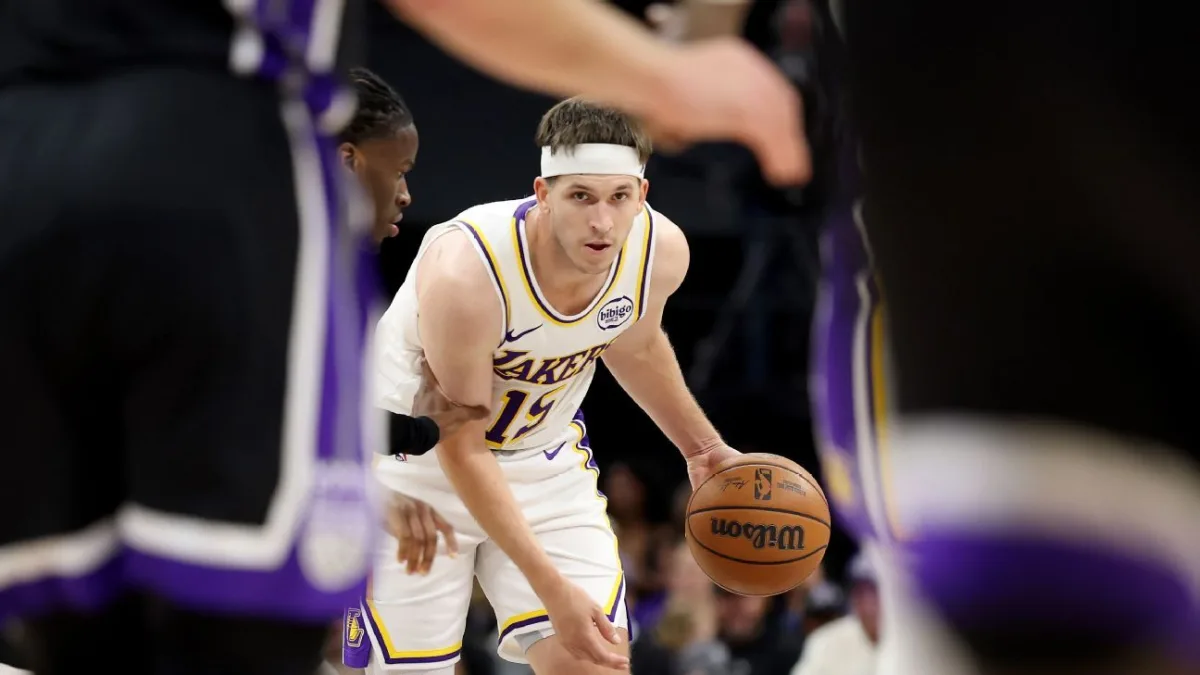
Austin Reaves has transformed from a hustle-first player into a legitimate core piece for the Los Angeles Lakers. His path—from an undrafted player signed to a two-way deal to a reliable secondary playmaker—is the kind of story scouts dream about. The team now faces the delicate task of balancing his market value against their tight salary cap requirements. If they miscalculate, they risk losing a player who knows their system inside out.
Jalen Duren enters this period as a young, high-upside anchor for the Detroit Pistons. At just 22 years old, his physical tools around the rim make him a commodity that many front offices are currently drooling over. The Pistons must decide if his development curve warrants a long-term investment or if they should explore moving him to capitalize on his trade value while he's still on a rookie-scale deal.
Mitchell Robinson remains one of the most polarizing figures for the New York Knicks. When he’s healthy, he is an elite rim protector and a monster on the offensive glass, but those health concerns are exactly why his contract situation keeps executives up at night. There’s a constant tug-of-war between his undeniable defensive impact and the reliability the organization requires from a starting center.
The Financial Reality of the Modern League
The goal is to build a roster that wins today while not being shackled by the mistakes of yesterday, and every contract decision is a brick in that foundation. Teams have to look at the 'second apron' – a harsh luxury tax threshold that punishes big spenders. Because of these rules, signing your own players to market-rate deals is no longer just about talent, it's about math. A team might love a player, but if giving him a raise prevents them from filling other holes on the roster, the partnership often ends.
When teams consider signing their own players, they have to think about the math. The salary cap creates artificial scarcity, making a player like Robinson, who brings specific defensive versatility, worth twenty million a year to one team, but only ten to another team that already has a crowded frontcourt. This is where the agents come in, trying to leverage interest from teams in states with lower taxes to force the player's current organization to blink first.
This isn't just a headache for teams in New York or LA. The league's collective bargaining agreement is designed to spread talent around, but it often makes it harder for small-market teams to keep the stars they draft. If a team can't afford the luxury tax, they are essentially forced to flip assets early, which is why we see so many talented players changing jerseys just as they hit their prime.
Looking Toward Training Camp
By the time the calendar hits late summer, these decisions will be public knowledge. Fans will argue about the wisdom of these contracts for months, but the players themselves are just focused on the certainty of a guaranteed check. Whether a player decides to opt into their current deal or test restricted free agency, the move determines their security for the next four to five years. Once the decision is made, the ripple effect through the league will begin.
The teams are waiting until the final deadline to make their moves, and the agents are busy gathering intel. This period of uncertainty will soon come to an end, and the NBA front offices will have to deal with the consequences of their decisions. The domino effect of trades will be triggered as teams scramble to pick up the pieces, and the players will be watching from the sidelines, waiting to see what the future holds.