

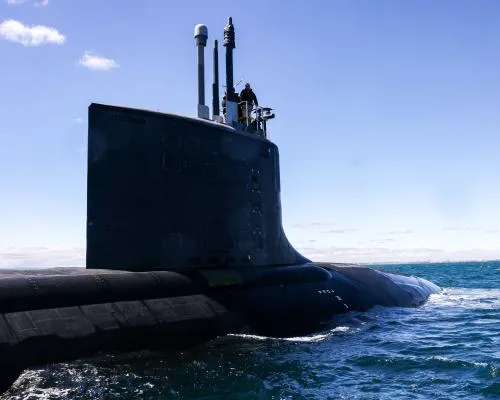
Australia is binning its dream of getting fresh-off-the-line nuclear submarines from the United States. Defence Minister Richard Marles has confirmed the country will now settle for three second-hand Virginia-class vessels instead. This change marks a massive shift for the AUKUS pact, a security deal between Australia, the UK, and the US that originally promised a mix of new and old boats by the early 2030s. It's a bit like ordering a brand-new Range Rover and being told you're getting a used one from the dealership's back lot instead.
Australia will no longer receive any new Virginia-class submarines from the US, with all three of the Aukus vessels to be second-hand.
While the military sorts out its hardware, the domestic front is just as messy. Housing Minister Clare O'Neil has shut the door on calls to scrap negative gearing for existing property landlords. The federal budget already restricted the tax break to new builds only, but the Greens are pushing for a total lockdown on the practice. O'Neil insists the government won't entertain messing with existing financial arrangements because it would be a shock to household budgets.
She claims the government's infrastructure spending will pump an extra 420,000 homes into the market. Industry critics, however, reckon that figure is pure fantasy, suggesting the $2bn cash injection won't actually result in more shovels hitting the dirt. Treasury Secretary Jenny Wilkinson dropped a bombshell earlier this week by admitting the recent tax tweaks are really just about moving money around, not actually building more houses. O'Neil is dodging questions on whether the Treasury's top brass is right about that supply gap.
Meanwhile, the government is stuck in a painful consultation loop over capital gains tax reform. Investors and startup founders are currently in a tiff with the government, fearing the new tax rules will bleed their businesses dry. O'Neil reckons the complaints are a bit dramatic, but she's admitted the design for businesses with zero-cost bases is a proper mess. She won't say when these fixes will land, just that the policy is on a timeline, not a political one.
Pauline Hanson, the leader of the One Nation party, is once again stirring the pot. She's standing by her previous, rather colourful remarks about Islamic migration, claiming there's no such thing as a 'good Muslim' in her book. She's eyeing up travel bans for people from majority-Islamic countries, arguing they don't fit with Australia's way of life. It's the kind of rhetoric that keeps her in the headlines, even if it leaves most of the mainstream political class looking slightly uncomfortable. She's even gone as far as suggesting she could be the next Prime Minister, which is certainly an ambitious target.
Her comments are being framed as a warning against the perceived troubles in nations like Britain, Canada, and Germany. She believes Australia needs to shut its borders tight to prevent what she describes as radical ideology from taking root locally. This is a sharp contrast to the government's attempt to keep the focus on tax policy and submarines. While the major parties try to look like grown-ups in the room, Hanson is happy to keep throwing grenades into the middle of the national conversation.
The AUKUS deal has moved entirely to second-hand US assets, which is a massive change. The government's infrastructure spending has been touted as a way to pump an extra 420,000 homes into the market, but critics are skeptical. The capital gains tax overhaul is currently hitting roadblocks with startup lobby groups. Negative gearing remains off-limits for existing investors, despite the Greens' protests. Pauline Hanson is doubling down on strict anti-Islamic rhetoric, which is causing controversy.
It's a proper headache for the Albanese government, which is trying to look like it's in control of the housing crisis while keeping the military brass happy. If you're a regular Aussie trying to pay rent or just following the news on your phone, it feels like the goalposts are shifting every single week. The ministers in Canberra are finding it increasingly difficult to convince the public they've got a handle on the situation.