

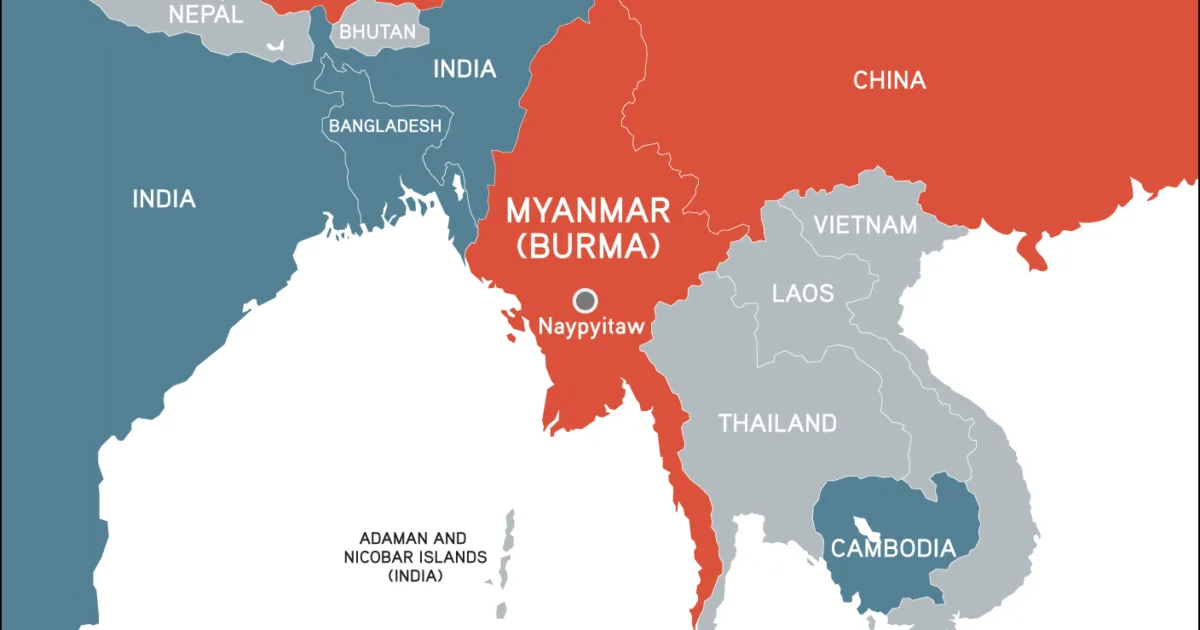
Myanmar's military-backed parliament has proposed a parliamentary bill that suggests the death sentence for those who detain or violently coerce victims into working in online scam centres. This move comes as the country struggles to combat its thriving scam economy, which has flourished in the midst of its ongoing civil war. It's a significant problem, and the government's response is being closely watched.
The draft legislation, known as the “Anti-Online Scam Bill”, would allow capital punishment for “violence, torture, unlawful arrest and detention, or cruel treatment against another person for the purpose of forcing them to commit online scams”. It includes a maximum sentence of life in prison for those who “run an online scam centre” and those who “commit digital currency scams (crypto scams)”. The bill's provisions are designed to target those who exploit and harm others.
The bill is the first legislation presented by the new government, which is headed by coup leader Min Aung Hlaing. He assumed the role of civilian president last month, in a move that democracy watchdogs have dismissed as an attempt to rebrand military rule. They haven't recognized his leadership, and it's unlikely they will.
Myanmar has become a hotspot for cybercrime, with internet fraud factories targeting web users worldwide with romance and cryptocurrency investment cons. The multibillion-dollar black market attracts many willing employees, but repatriated foreigners have also reported being trafficked to sites in Myanmar and tortured by scam centre operators. They're often forced to work in poor conditions, and they don't get paid.
The country's civil war, triggered by a 2021 military coup, has created fertile ground for organised crime groups to set up shop in fortified compounds. This has led to increased tensions with neighbouring China, which has become irked at the number of its citizens founding scam centres, working in them, and falling victim to them. China's citizens are often targeted by these scams, and they've lost a lot of money.
Over the course of Myanmar's five-year civil war, China has intermittently thrown its weight behind both rebels and the military to suit its security and economic interests. Recently, China has favoured the military, backing a junta-run election that shut out opposition parties, including the National League for Democracy of Aung San Suu Kyi, who has been detained since the coup. She's still being held, and it's unclear when she'll be released.
The anti-scam bill promises a new committee to cooperate with other countries to combat the illicit industry, which could be seen as an attempt to invite foreign engagement with the new government. However, critics remain sceptical, and they don't think this bill will make a difference. They think it's just a way for the government to improve its image, and they won't be fooled.
The “Anti-Online Scam Bill” is set to be discussed in the first week of June, when Myanmar's military-backed parliament is next scheduled to sit. The outcome of this discussion will be closely watched, as it could have significant implications for the country's efforts to combat cybercrime and its relationships with neighbouring countries. It's a crucial moment, and the world is watching.
Key Facts
- The proposed death sentence is for those who detain or violently coerce victims into working in online scam centres.
- The maximum sentence for running an online scam centre or committing digital currency scams is life in prison.
- Myanmar's civil war has created fertile ground for organised crime groups to set up shop in fortified compounds.
- The country's scam economy has targeted web users worldwide, with victims in the US alone losing over $20 billion last year.
- China has favoured the military in recent years, backing a junta-run election that shut out opposition parties.
The situation in Myanmar is complex, with multiple factors at play. The country's civil war, ongoing since 2021, has created a power vacuum that has allowed organised crime groups to thrive. They're taking advantage of the situation, and it's hard to stop them. The proposed anti-scam bill is a step towards addressing this issue, but its effectiveness remains to be seen. It's unclear if it will make a difference, and only time will tell if it's successful.
As the situation in Myanmar continues to unfold, it's essential to consider the potential implications of the proposed anti-scam bill. The bill's success will depend on the government's ability to enforce it effectively and cooperate with other countries to combat the illicit industry. They can't do it alone, and they need help from other nations. The government's willingness to work with others will be crucial, and it's unclear if they're willing to do so. They haven't shown much willingness to cooperate in the past, and it's hard to say if they'll change now.