

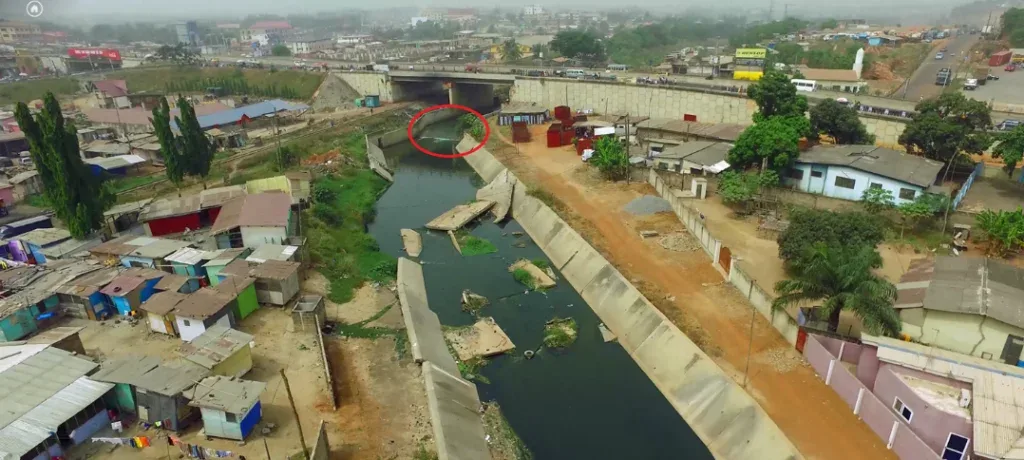
The World Bank has downgraded the implementation of the Greater Accra Resilient and Integrated Development (GARID) Project to 'Moderately Unsatisfactory'. The GARID project cost a whopping $350 million.
The World Bank cites the Ministry of Finance's fiscal controls as the reason for the delayed implementation. The controls are said to have slowed contractor payments and restricted access to project funds. Privately, officials at the Ministry of Finance have defended the controls, arguing that tighter oversight was necessary because of concerns over how some project funds had been spent under the previous administration.
The GARID expenditure records show that a whopping ¢504,450 was spent on a management training programme at Aqua Safari in September 2020. This is just one item in a long list of expenditures that raise questions about whether all spending under the project was directly aligned with its primary development objectives.
A ¢476,784 end of year retreat in December 2022 is another item on the list. The expenditure schedule also records ¢11,040 for meetings and fuel relating to the Project Director's late father's funeral. Other expenditures include ¢100,000 for fuel coupons for the Ministry of Sanitation and Water Resources in November 2023, ¢49,000 for a sod cutting ceremony in December 2023, and a further ¢48,500 for another sod cutting ceremony in July 2024.
The expenditure schedule also records ¢16,000 and ¢23,200 for activities relating to Civil Service Week clean up exercises and awards in April 2024. These expenditures, viewed individually, may have legitimate administrative or project-related justifications. However, taken together, they raise questions about whether all spending under the project was directly aligned with GARID's primary development objectives.
Although the World Bank's implementation report does not specifically identify these expenditure items as irregular, nor does it cite them as the reason for introducing the fiscal controls, the expenditure records suggest that project spending itself may have become an area of concern within government.
The Ministry of Finance has not publicly detailed the specific expenditures that informed its decision to tighten controls. Whether these expenditures complied with the project's financing agreement, procurement guidelines, and eligible expenditure rules remains unclear.
The GARID project aimed to strengthen flood risk management, improve solid waste management, and enhance urban resilience in Greater Accra. However, the expenditure records raise questions about whether the project's implementation was aligned with its development objectives.
As the debate over the GARID project continues, the Ministry of Finance must come clean about the specific expenditures that led to the fiscal controls. The public deserves to know how their money was spent and whether it aligned with the project's goals.
The World Bank's implementation report highlights the need for greater fiscal discipline in implementing projects like GARID. The report notes that 'the project's overall implementation is affected by the delays and inefficiencies in the payment processes and the overall slow pace of disbursement of funds.'
In Ghana, the GARID project was seen as a flagship initiative to improve sanitation and waste management in Accra. However, the expenditure records raise serious questions about the project's implementation and whether it achieved its intended goals.
The GARID project was launched in 2019 with a $350 million loan from the World Bank. The project aimed to reduce flooding in Accra and improve solid waste management. However, the expenditure records suggest that the project's implementation was plagued by delays and inefficiencies.
The Ministry of Finance must provide a detailed explanation for the fiscal controls and how they affected the project's implementation. The public has a right to know how their money was spent and whether it aligned with the project's goals.
The World Bank's implementation report notes that Ghana has made significant progress in improving sanitation and waste management. However, the expenditure records raise questions about whether the GARID project was aligned with these goals.
The GARID project's implementation was delayed due to the Ministry of Finance's fiscal controls. The controls are said to have slowed contractor payments and restricted access to project funds. Privately, officials at the Ministry of Finance have defended the controls, arguing that tighter oversight was necessary because of concerns over how some project funds had been spent under the previous administration.
A sod cutting ceremony in July 2024 cost a whopping ¢48,500. The expenditure schedule also records ¢16,000 and ¢23,200 for activities relating to Civil Service Week clean up exercises and awards in April 2024. These expenditures raise questions about whether all spending under the project was directly aligned with GARID's primary development objectives.
The Ministry of Finance has not publicly detailed the specific expenditures that informed its decision to tighten controls. However, the expenditure records suggest that project spending itself may have become an area of concern within government.
The GARID project's implementation was plagued by delays and inefficiencies. The World Bank cites the Ministry of Finance's fiscal controls as the reason for the delayed implementation. The controls are said to have slowed contractor payments and restricted access to project funds.
A management training programme at Aqua Safari in September 2020 cost a whopping ¢504,450. The expenditure schedule also records ¢476,784 for an end of year retreat in December 2022. These expenditures raise questions about whether all spending under the project was directly aligned with GARID's primary development objectives.
The GARID project aimed to strengthen flood risk management, improve solid waste management, and enhance urban resilience in Greater Accra. However, the expenditure records raise questions about whether the project's implementation was aligned with its development objectives.
The Ministry of Finance must provide a detailed explanation for the fiscal controls and how they affected the project's implementation. The public has a right to know how their money was spent and whether it aligned with the project's goals.
The GARID project's implementation was delayed due to the Ministry of Finance's fiscal controls. The controls are said to have slowed contractor payments and restricted access to project funds. Privately, officials at the Ministry of Finance have defended the controls, arguing that tighter oversight was necessary because of concerns over how some project funds had been spent under the previous administration.